ÖFFNET MORGEN 9.00 UHR

ÖFFNET MORGEN 9.00 UHR

ÖFFNET MORGEN 9.00 UHR

2008 Myanmar Constitution Patched -

This paradox—using the 2008 Constitution to justify its destruction—highlights the document’s fundamental weakness: it was designed for military control, not democratic stability. The 2008 Constitution remains the nominal supreme law, but the State Administration Council (SAC, the military junta) has effectively suspended most of its democratic provisions. A nationwide civil disobedience movement and armed resistance (People’s Defence Forces) reject the constitution entirely, calling for a new federal democratic charter. Conclusion The 2008 Constitution of Myanmar is a masterclass in legal engineering for military dominance. While it provides a façade of democratic institutions—a president, a parliament, and elections—its core mechanisms ensure that true civilian control is impossible. Until the 25% military veto, the reservation of security ministries, and Article 59(f) are abolished, Myanmar’s constitution will remain a barrier to peace, democracy, and federalism.

Introduction The 2008 Constitution of Myanmar is the supreme law of the Republic of the Union of Myanmar. It has been in effect since the formal transfer of power from the military junta to a quasi-civilian government in 2011. However, the constitution remains one of the most contentious legal documents in modern Southeast Asian politics, as it enshrines a powerful role for the military (Tatmadaw) in the country’s political system. 2008 myanmar constitution

This paradox—using the 2008 Constitution to justify its destruction—highlights the document’s fundamental weakness: it was designed for military control, not democratic stability. The 2008 Constitution remains the nominal supreme law, but the State Administration Council (SAC, the military junta) has effectively suspended most of its democratic provisions. A nationwide civil disobedience movement and armed resistance (People’s Defence Forces) reject the constitution entirely, calling for a new federal democratic charter. Conclusion The 2008 Constitution of Myanmar is a masterclass in legal engineering for military dominance. While it provides a façade of democratic institutions—a president, a parliament, and elections—its core mechanisms ensure that true civilian control is impossible. Until the 25% military veto, the reservation of security ministries, and Article 59(f) are abolished, Myanmar’s constitution will remain a barrier to peace, democracy, and federalism.

Introduction The 2008 Constitution of Myanmar is the supreme law of the Republic of the Union of Myanmar. It has been in effect since the formal transfer of power from the military junta to a quasi-civilian government in 2011. However, the constitution remains one of the most contentious legal documents in modern Southeast Asian politics, as it enshrines a powerful role for the military (Tatmadaw) in the country’s political system.

ÖFFNET MORGEN 9.00

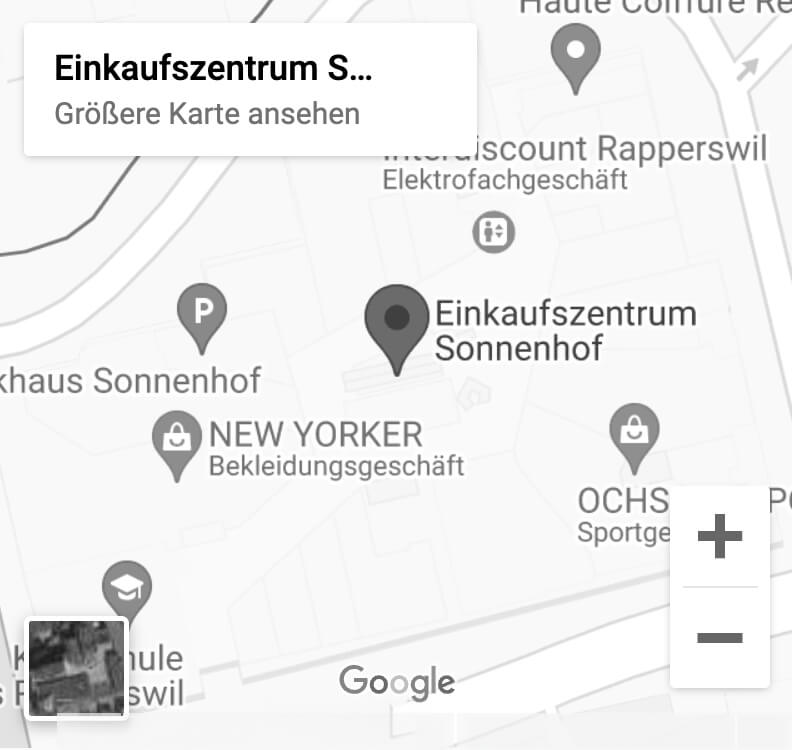
ANFAHRT

Einkaufszentrum Sonnenhof
Zürcherstrasse 4
8640 Rapperswil
Schweiz

Telnahmebedingungen

Mitmachen dürfen alle Kundinnen und Kunden des Sonnenhof. Ausgenommen sind Mitarbeitende, deren Geschäfte und deren Werbeagentur. Der Rechtsweg ist ausgeschlossen. Über die Ziehung wird keine Korrespondenz geführt. Der Gewinner / die Gewinnerin wird persönlich benachrichtigt. Pro Tag darf eine Person nur einmal das Formular ausfüllen. Bei Verdacht auf Betrug oder Manipulation behält sich der Sonnenhof das Recht vor, Leute von der Verlosung auszuschliessen. Die Barauszahlung der Preise ist nicht möglich. Die eingereichten Koordinaten werden nach beendigung des Wettbewerbs gelöscht und nicht für andere Zwecke verwendet.