
VersaWorks 7 telepítő
Roland VersaWorks 7 telepítő (letöltés)
A telepítőt rendszergazda módban tessék telepíteni.
Driverek Roland eszközökhöz
Bármilyen Roland eszközöd van, a hozzávaló drivert, firmware-t, leírásokat, update-ket először a Roland Download Centeren keresd.
VersaWorks 7 telepítő
Roland VersaWorks 7 telepítő (letöltés)
A telepítőt rendszergazda módban tessék telepíteni.
VersaWorks 6 telepítő
Roland VersaWorks 6.20.0 telepítő (letöltés)
Roland VersaWorks 6.24.2 updater (letöltés)
Az offline updater telepítőket az alapprogram telepítése után, futtatás rendszergazdaként módban tessék telepíteni !!!
VersaWorks Dual 1.6 telepítő
VersaWorks Dual 1.6.8 full install (letöltés)
VersaWorks Dual 1.6.15 updater (letöltés)
Az offline updater telepítőket az alapprogram telepítése után, futtatás rendszergazdaként módban tessék telepíteni !!!

VersaWorks 5 telepítők
VersaWorks 5.22 full install (letöltés)
VersaWorks 5.5.1 updater (letöltés)
Az offline updater telepítőket az alapprogram telepítése után, futtatás rendszergazdaként módban tessék telepíteni !!!

CutStudio vágó program
Roland CutStudio install (3.14 full install) (letöltés)
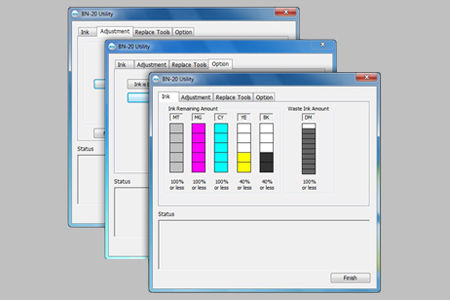
BN-20 utility program
BN-20 nyomtatódhoz a utility programot és update-jeit innen tudod letölteni. (letöltés)
PrintServer-NetTool
Ezzel a kis programmal megtudod keresni a hálózaton a nyomtatód IP címét, vagy a háló kártya reset-elése után új IP címet tudsz adni neki
Ez olyan modelleknél érdekes, ahol nincs a menüben lehetőség megadni az IP címet. pl. SP-540v típus. (letöltés)
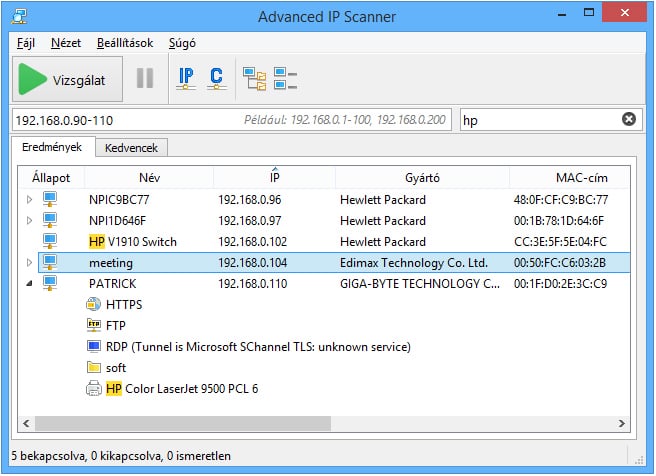
Advanced IP Scanner
Vagy ezzel az ingyenes eszközzel még mélyebben rá tudsz nézni a hálózatra, hogy milyen eszközök lógnak rajta és azoknak mi az IP címük. (link)
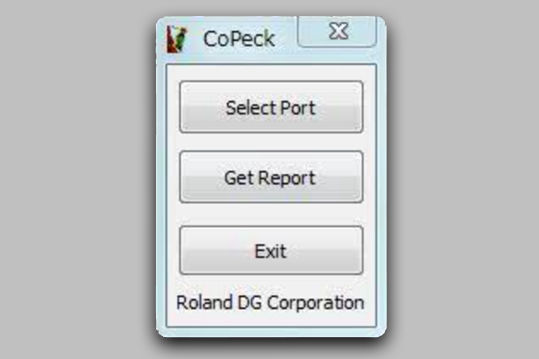
Copeck riport
Ezzel a kis programmal a nyomtatód összes belső beállítási értékét, élettörténetét el tudod menteni egy riport file-ba, amit hozzánk elküldve mi kielemzünk és megmondjuk mit tegyél a hiba elhárításának érdekében. (letöltés)
For the international community, the territorial dispute presents a moral hazard. Under international law, Azerbaijan is restoring its own borders. Yet, the method—military force, blockade, and the exodus of an indigenous population—bears the hallmarks of ethnic cleansing.
In a lightning offensive, Azerbaijan retook the remaining parts of Karabakh. The result was not a negotiated peace, but a depopulation . Over 100,000 ethnic Armenians fled to Armenia proper. For the first time in three decades, the "territorial dispute" regarding Karabakh became moot—Azerbaijan has full control, and the Armenian population is zero. armenia territorial dispute
In the rugged, volcanic highlands of the South Caucasus, where gorges cut through mountains like ancient scars, the concept of territory is not merely a line on a map—it is a repository of collective memory, religious symbolism, and existential pain. For the Republic of Armenia, the territorial dispute is not a single, binary argument over a patch of land; it is a kaleidoscope of historical justice, international law, ethnic cleansing, and military defeat. In a lightning offensive, Azerbaijan retook the remaining
As of 2025, Armenia sits in a precarious state: a nation that lost a territory it called its cradle, now fighting inch by inch to ensure the rest of its body is not amputated by the very map that peace requires. The stones of the Caucasus remain stained, and the dispute is far from over—it has simply changed addresses. For the first time in three decades, the
While the world has focused on Ukraine and Gaza, the tectonic plates of the Caucasus have shifted irreversibly. As of 2025, Armenia finds itself in a post-traumatic strategic realignment, having lost the 2020 Nagorno-Karabakh War and the subsequent 2023 Azerbaijani offensive. To understand the depth of the dispute, one must dissect three distinct layers: the (Nagorno-Karabakh), the contiguous border crisis , and the existential corridor war . 1. The Ghost of Artsakh: From De Facto State to Zero Presence The central pillar of the dispute was the self-proclaimed Republic of Artsakh (Nagorno-Karabakh). Legally recognized internationally as part of Azerbaijan, the region was populated predominantly by ethnic Armenians who, as the Soviet Union collapsed, declared independence. The resulting war in the 1990s ended in an Armenian military victory, giving Yerevan control over not just Karabakh but seven surrounding Azerbaijani districts (the "Security Belt").
Armenia’s territorial claim has shifted from liberation (Karabakh for Armenians) to survival (ensuring the rights of those displaced). Yerevan now accepts Azerbaijan’s sovereignty over Karabakh, but demands the right of return for displaced Armenians. Baku refuses, viewing them as settlers. This is a frozen demographic conflict within a hot military reality. 2. The Border Delimitation Crisis: The "Soviet Maps" Trap With Karabakh gone, the dispute has moved west to the Armenia-Azerbaijan international border. Here lies a dangerous ambiguity: the border is still largely that of the Soviet-era administrative lines, which were never demarcated because neither side expected the USSR to collapse.