Brokeback Mountain Deleted Scenes [portable] -

In conclusion, the deleted scenes of Brokeback Mountain are not lost treasures but crucial artifacts of the editing process. They illuminate how a great film is often forged in subtraction. The expanded domestic moments, the explicit flashbacks, and the over-written arguments were all sacrificed to maintain a singular, devastating tone. What remains is a film that trusts its audience to read between the frames. The mountain in the title is a place of both liberation and loss, and the deleted scenes represent the paths not taken—the wider, clearer trails that the filmmakers wisely abandoned in favor of the narrow, rocky, and unforgettable ridge that leads to the final, lonely image of a trailer window and two shirts pinned to a cardboard sky.

Furthermore, the removal of these scenes enhances the film’s famous “unspoken” quality. Proulx’s story is a masterclass in compression, and Lee’s film honors that by implying more than it shows. The deleted scenes often over-explain emotional beats. For instance, an excised argument between Ennis and Alma after the Thanksgiving dinner confrontation contains dialogue that explicitly states what the audience already knows: that Alma has known about Jack for years. In the final film, Alma’s single, searing look—and her quietly devastating line, “Jack Nasty?”—does more work than a page of dialogue. Similarly, a scene of Jack picking up a male prostitute in Mexico is longer in the deleted footage, explicitly detailing Jack’s self-loathing. The theatrical cut’s brief, grim montage is far more effective; we do not need to see the transaction to feel the despair. The deleted scenes thus serve as a valuable lesson in cinematic restraint: showing too much can diminish the audience’s active participation in the story. brokeback mountain deleted scenes

Ang Lee’s 2005 film Brokeback Mountain is widely regarded as a masterpiece of minimalist storytelling. Adapted from E. Annie Proulx’s short story, the film chronicles the complex, twenty-year relationship between Ennis Del Mar and Jack Twist with a precision that feels both devastating and inevitable. Yet, like any cinematic work, the final cut represents only a fraction of the material shot. The deleted scenes from Brokeback Mountain —available in the film’s home media releases—offer a fascinating lens through which to examine the film’s creative choices. Far from being mere discarded footage, these sequences reveal the delicate balance between explicit narrative and subtext, ultimately proving that what was left on the cutting room floor was sacrificed not due to weakness, but to preserve the film’s haunting ambiguity. In conclusion, the deleted scenes of Brokeback Mountain

The most significant deleted scenes expand the domestic lives of the two protagonists, providing context that the theatrical cut deliberately withholds. One extended sequence shows Ennis (Heath Ledger) and his wife Alma (Michelle Williams) during a rare, early moment of levity, dancing awkwardly in their tiny apartment. Another scene features Jack (Jake Gyllenhaal) and his wife Lureen (Anne Hathaway) discussing their son’s future with a cold pragmatism that underscores their transactional marriage. In the final film, these domestic spheres are presented as prisons of quiet desperation; we see Alma’s dawning horror and Lureen’s brittle control, but we rarely see moments of functional happiness. The deleted scenes suggest that the filmmakers originally considered a more balanced portrayal—showing that these marriages had genuine, if fleeting, moments of connection. Ultimately, Lee and editor Dylan Tichenor removed them to maintain the film’s central tragedy: that Ennis and Jack’s only true home was the mountain itself. By excising these softer domestic moments, the final cut makes the loneliness of their “normal” lives feel absolute. What remains is a film that trusts its


Audio Mastering with AI is here.

How does it work?

The moment you upload a track, MasteringBOX starts extracting its audio features to provide a personalized audio mastering experience.

Mastering Made Easy with a simple 3-step process.

Analyze

MasteringBOX's algorithm analyzes the dynamic and spectral characteristics of your track to determine the best settings for mastering.

MasteringBOX's algorithm analyzes the dynamic and spectral characteristics of your track to determine the best settings for mastering.

Master

Based on the data gathered earlier, MasteringBOX carefully processes your track to make the most of it.

Based on the data gathered earlier, MasteringBOX carefully processes your track to make the most of it.

Listen

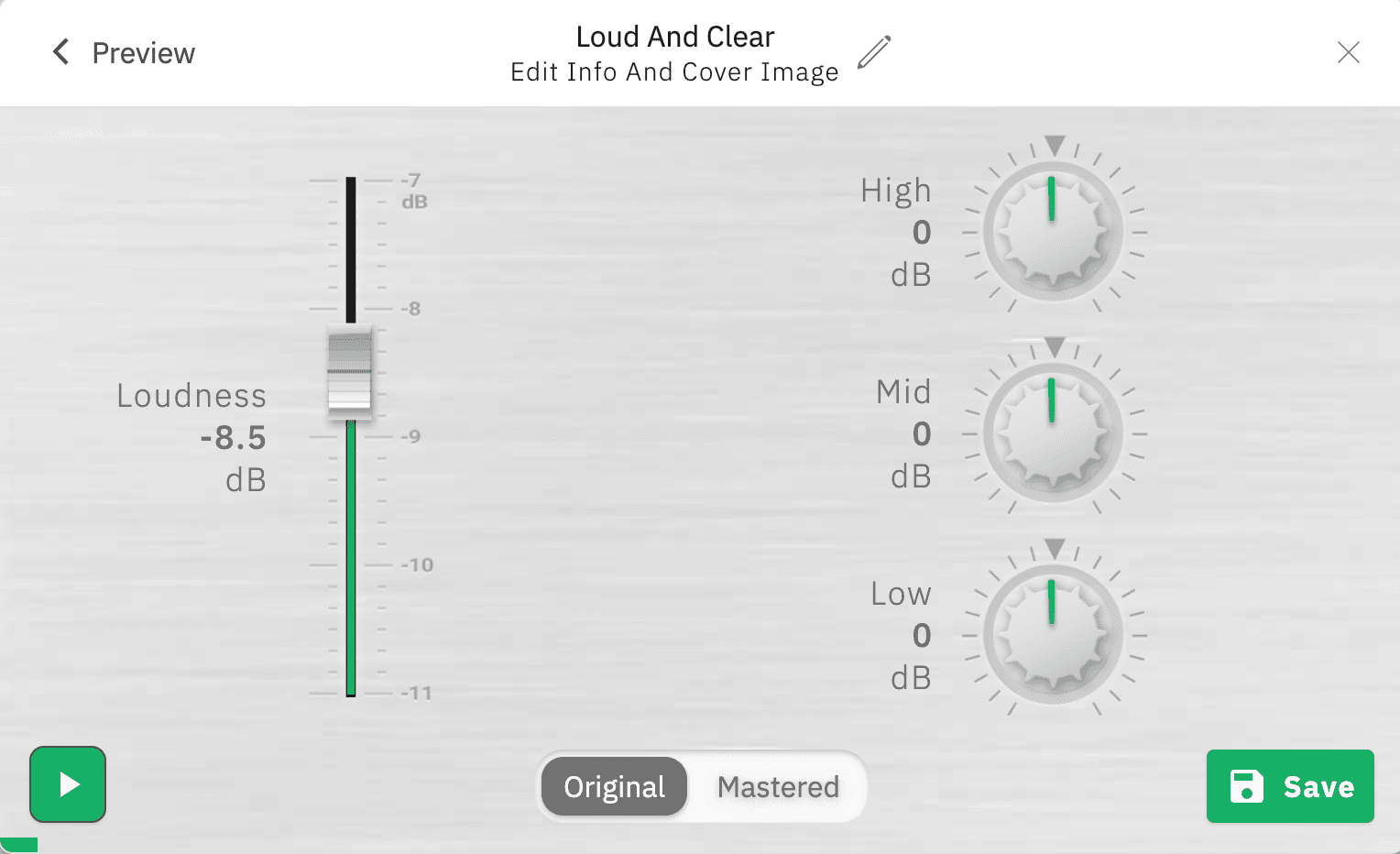
Preview your track and fine-tune the parameters to your liking before saving the final master. loudness and EQ control are available.

Preview your track and fine-tune the parameters to your liking before saving the final master. loudness and EQ control are available.

Start Now
Overlay

Explore

Feature-Packed Mastering App

Easily control the result of your track with simple controls, MasteringBOX does the work for you. Mastering has never been easier, faster and accessible.

Preview your track before saving your master.
Customizable

Preview your track and fine-tune your master

Adjust the loudness and EQ Controls to achieve the perfect result. Balance the sound and loudness across the tracks in your album.

  • Loudness Control

  • 3 Band dynamic EQ Control

  • Compare the mastered and original versions

  • Re-master your track for no extra cost as much as you want

Preview your track before saving your master.
New Features

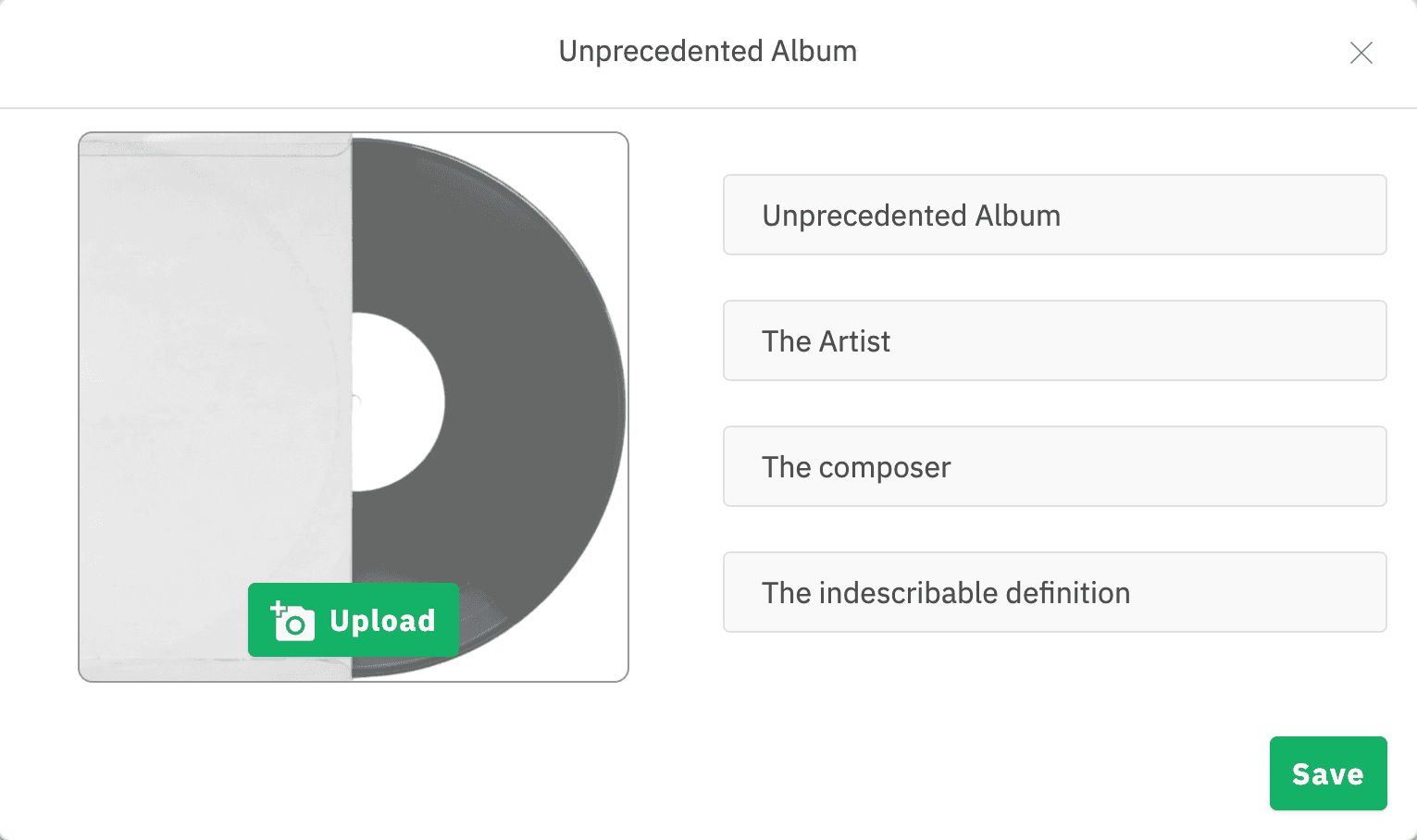
Add Track and Album information, and upload a Cover Image.

Create folders to group your albums or projects. Enjoy features for albums.

  • Export the album as a DDP 2.0 Master File (beta)

  • Download all the tracks in the album as a ZIP File

  • Set the album info and cover art for all the tracks in the project

Preview your track before saving your master.
Shareable

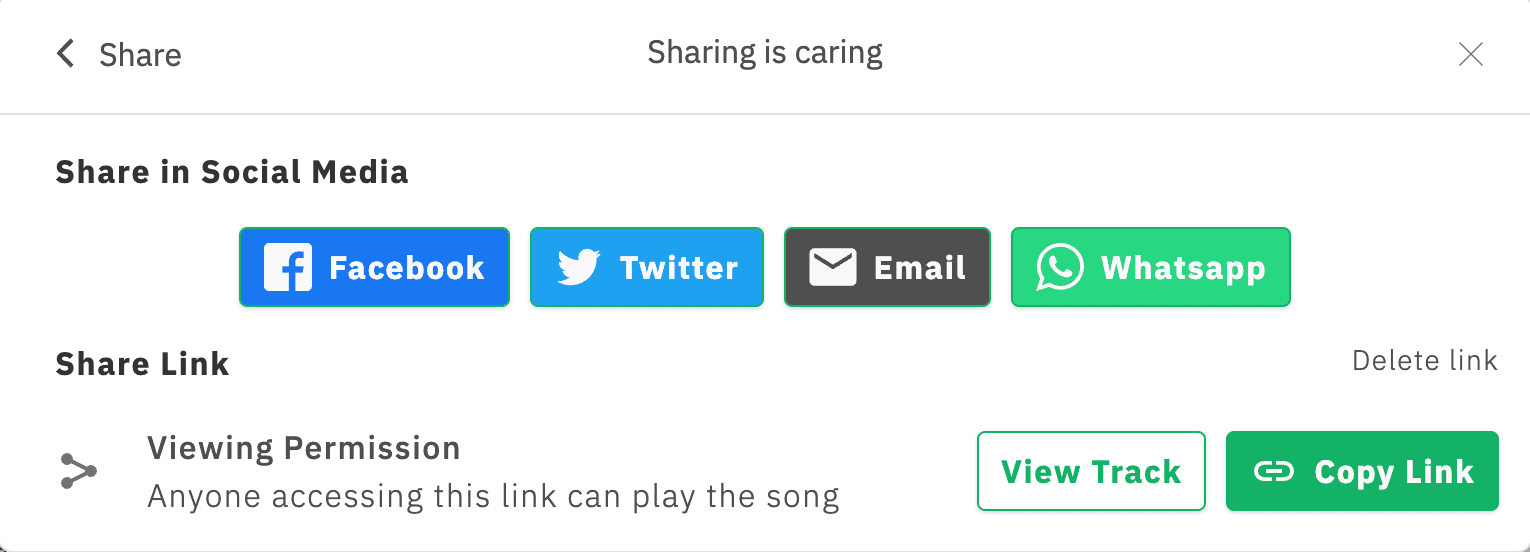
Share your tracks with your friends

Display your talents on MasteringBOX and enjoy these features:

  • Modern audio player where people can comment, give a like and share your songs and albums

  • An Artist profile where you can add your Bio, Pictures, Tracks and Albums

  • Top artists will get Featured on the homepage

Preview your track before saving your master.
For all devices

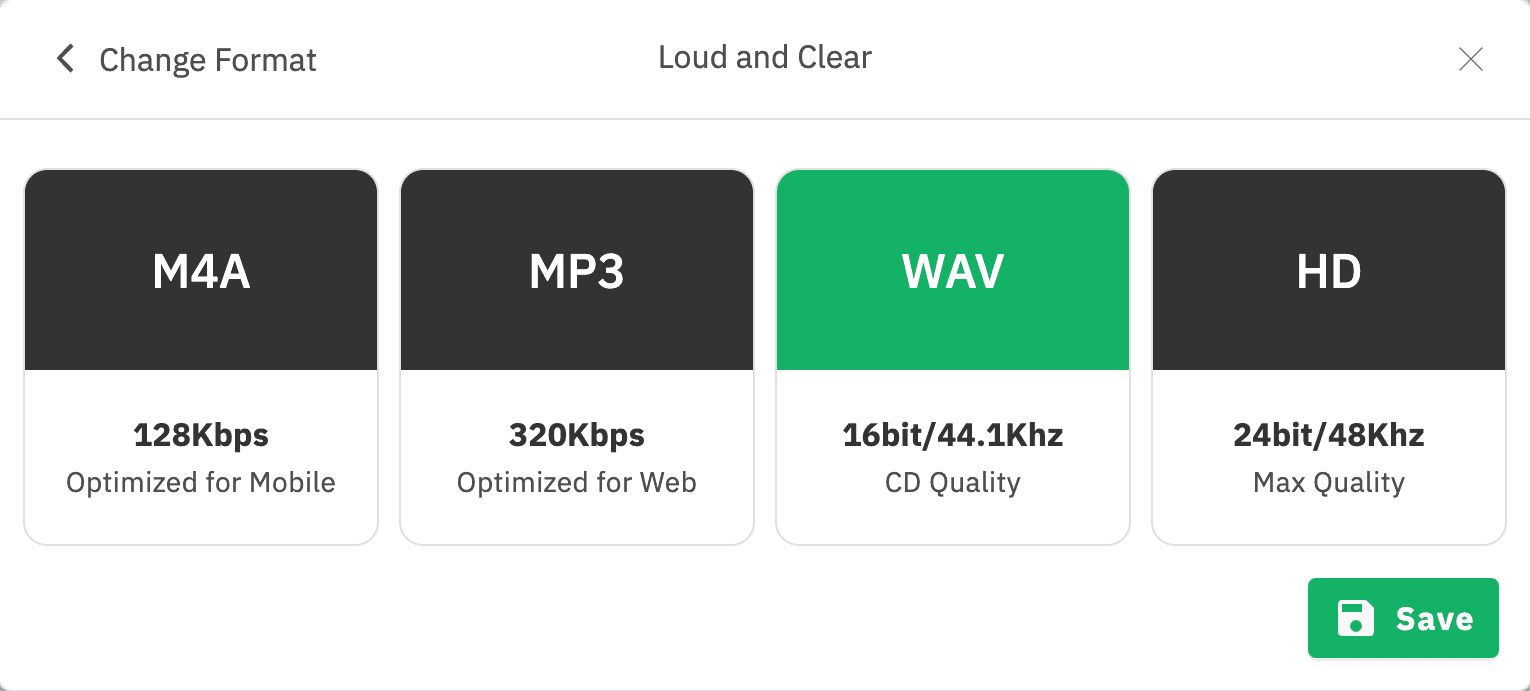
Download your track in multiple formats

Every device, every platform, every situation is different. You'll need resources.

  • Download your master in M4a, MP3, WAV and HD WAV

  • You can download the same master in multiple formats

  • Embed your cover art and track info - Compatible with M4a and Mp3.

Overlay

Featured

Packed with features to help you succeed

MasteringBOX eases the mastering process with a fully-featured app

Amazing sound

MasteringBOX provides better sound and proper loudness to your mix with an easy to use service. You can achieve great results that can compare to professional studio work.

Lightning fast

Master your track instantly, or master your full album all together within minutes. Our system provides a fast and high-quality mastering process.

Affordable

We provide professional mastering with affordable prices. Get one free master per day or upgrade to one of our premium plans for unlimited mastering.

Share your Tracks

Publish your tracks on MasteringBOX so your friends can play, comment, like and share your songs.

Easy to use

An intuitive interface that you will love using. With simple guides to make the process accessible to everyone

Less time & money

Stop spending time & money mastering your tracks, and focus on your music.

Start Mastering

In conclusion, the deleted scenes of Brokeback Mountain are not lost treasures but crucial artifacts of the editing process. They illuminate how a great film is often forged in subtraction. The expanded domestic moments, the explicit flashbacks, and the over-written arguments were all sacrificed to maintain a singular, devastating tone. What remains is a film that trusts its audience to read between the frames. The mountain in the title is a place of both liberation and loss, and the deleted scenes represent the paths not taken—the wider, clearer trails that the filmmakers wisely abandoned in favor of the narrow, rocky, and unforgettable ridge that leads to the final, lonely image of a trailer window and two shirts pinned to a cardboard sky.

Furthermore, the removal of these scenes enhances the film’s famous “unspoken” quality. Proulx’s story is a masterclass in compression, and Lee’s film honors that by implying more than it shows. The deleted scenes often over-explain emotional beats. For instance, an excised argument between Ennis and Alma after the Thanksgiving dinner confrontation contains dialogue that explicitly states what the audience already knows: that Alma has known about Jack for years. In the final film, Alma’s single, searing look—and her quietly devastating line, “Jack Nasty?”—does more work than a page of dialogue. Similarly, a scene of Jack picking up a male prostitute in Mexico is longer in the deleted footage, explicitly detailing Jack’s self-loathing. The theatrical cut’s brief, grim montage is far more effective; we do not need to see the transaction to feel the despair. The deleted scenes thus serve as a valuable lesson in cinematic restraint: showing too much can diminish the audience’s active participation in the story.

Ang Lee’s 2005 film Brokeback Mountain is widely regarded as a masterpiece of minimalist storytelling. Adapted from E. Annie Proulx’s short story, the film chronicles the complex, twenty-year relationship between Ennis Del Mar and Jack Twist with a precision that feels both devastating and inevitable. Yet, like any cinematic work, the final cut represents only a fraction of the material shot. The deleted scenes from Brokeback Mountain —available in the film’s home media releases—offer a fascinating lens through which to examine the film’s creative choices. Far from being mere discarded footage, these sequences reveal the delicate balance between explicit narrative and subtext, ultimately proving that what was left on the cutting room floor was sacrificed not due to weakness, but to preserve the film’s haunting ambiguity.

The most significant deleted scenes expand the domestic lives of the two protagonists, providing context that the theatrical cut deliberately withholds. One extended sequence shows Ennis (Heath Ledger) and his wife Alma (Michelle Williams) during a rare, early moment of levity, dancing awkwardly in their tiny apartment. Another scene features Jack (Jake Gyllenhaal) and his wife Lureen (Anne Hathaway) discussing their son’s future with a cold pragmatism that underscores their transactional marriage. In the final film, these domestic spheres are presented as prisons of quiet desperation; we see Alma’s dawning horror and Lureen’s brittle control, but we rarely see moments of functional happiness. The deleted scenes suggest that the filmmakers originally considered a more balanced portrayal—showing that these marriages had genuine, if fleeting, moments of connection. Ultimately, Lee and editor Dylan Tichenor removed them to maintain the film’s central tragedy: that Ennis and Jack’s only true home was the mountain itself. By excising these softer domestic moments, the final cut makes the loneliness of their “normal” lives feel absolute.

Try for Free Now

Latest Articles

Our Latest Articles about Audio Mastering, Music Production, Audio Mixing, Recording and other audio related topics

Show more

Brokeback Mountain Deleted Scenes [portable] -

We respond to the most frequently asked questions about MasteringBOX. Please read these questions before reaching to us.

What is Audio Mastering?

Audio Mastering is the final stage of the audio production process wherein recordings are optimized for release, increasing the overall sound quality and loudness via equalization, multi-band compression, peak limiting, dithering, and other processes. We recommend reading our article fully explaining what is mastering

Do all songs need Mastering?

Yes, you should master all your tracks before release. Even if you are working on a demo, mastering will help the improve overall sound and loudness. MasteringBOX can help you master your tracks in minutes to always get the best our of your projects, hassle free.

How should I prepare my track for mastering?

We have created an article to guide you on how to prepare your track for mastering. We recommend that you read it before exporting your mix for mastering.

How can a machine master my track?

MasteringBOX is designed by professional sound engineers with years of experience. We've created a smart artificial intelligence that detects the dynamic and spectral characteristics of the track and applies the appropriate adjustments.

What is the difference between Mixing and Mastering?

Audio Mixing is the stage where you process each of your individual tracks or instruments separately. They you combine them into a singular stereo mixdown ready for mastering. Audio Mastering is where the stereo mixdown is enhanced, balanced, and adjusted to ensure continuity across sound systems as well as an industry-standard, release-ready sound. Want to know more? Read our article about the differences between mixing and mastering.

Should I use MasteringBOX or hire a Mastering Engineer?

MasteringBOX does not necessarily compete with professional mastering studios. Indeed, it may not quite achieve the same balanced sound that a talented mastering engineer can achieve in a suitably-equipped professional mastering studio. MasteringBOX is, however, a sophisticated mastering tool — one that is fast, easy to use, and affordable. As such, why not try MasteringBOX? Mastering engineers are always available at significantly higher rates to anyone not satisfied with its results, after all.

What is the refund policy?

We have a 14-day satisfaction guaranteed refund policy. If you are not satisfied and you have mastered less than 3 tracks with your premium account we will refund your order.

I forgot to cancel my plan and I got charged for the next period. Can I get a refund?

We give a 14-day grace period. You are eligible for a refund if you contact us within that time, as long as you haven't used the premium features during that time.

How can I cancel my subscription?

You can cancel your subscription from your account. Go to billing & plan and click on cancel. You can still use the premium features until the pre-paid period ends. You can reactivate the automatic renewal before the subscription expires.

Show more

Start Mastering Now

Stop spending time & money mastering your tracks, and focus on your music.

Start Mastering For Free
MasteringBOX © 2025
Terms of ServiceData PolicyCookies PolicyPricingLearn