An Incised Serif Type Family

This typeface is part of The Monotype Library. enscape 3.4 crack
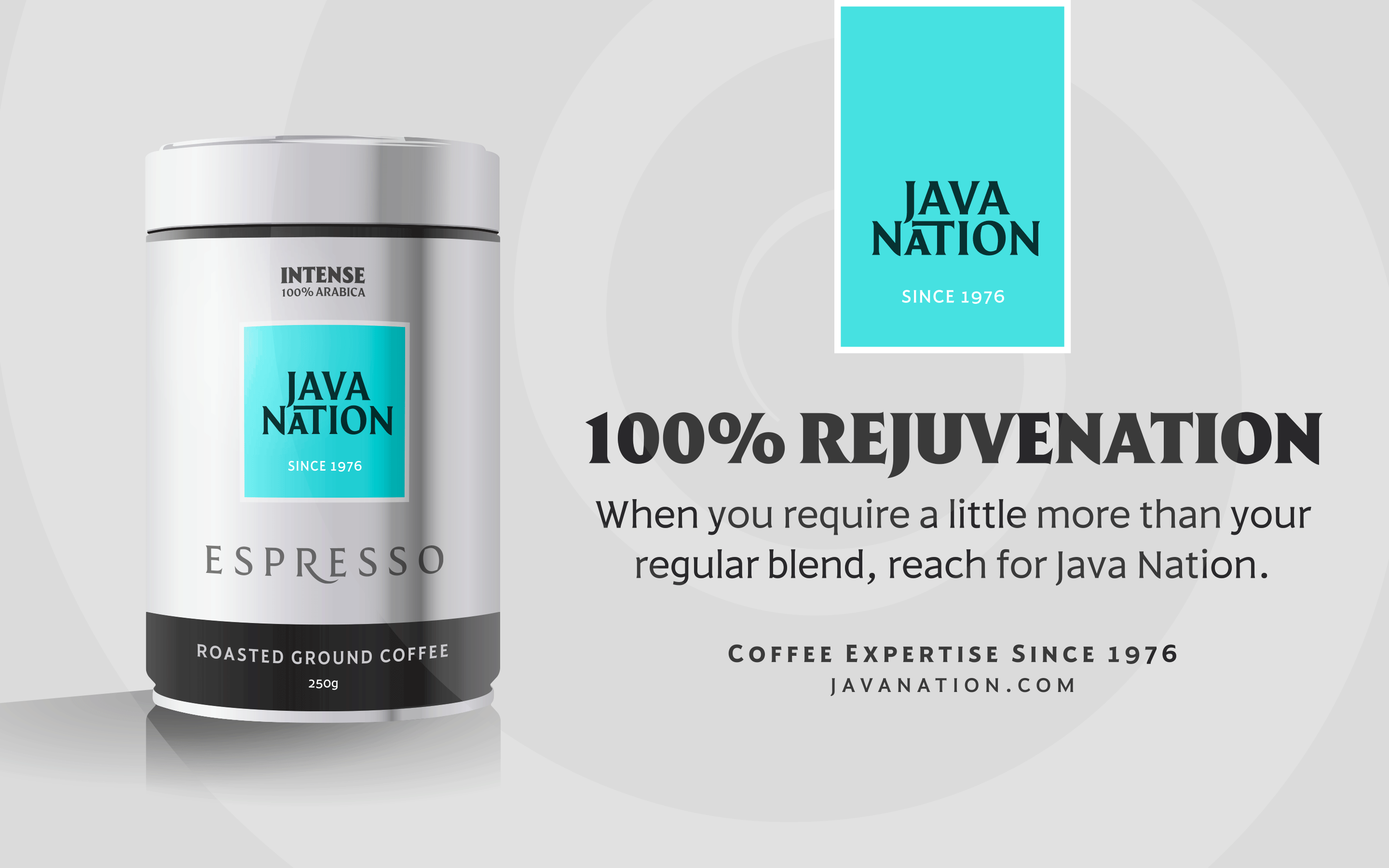
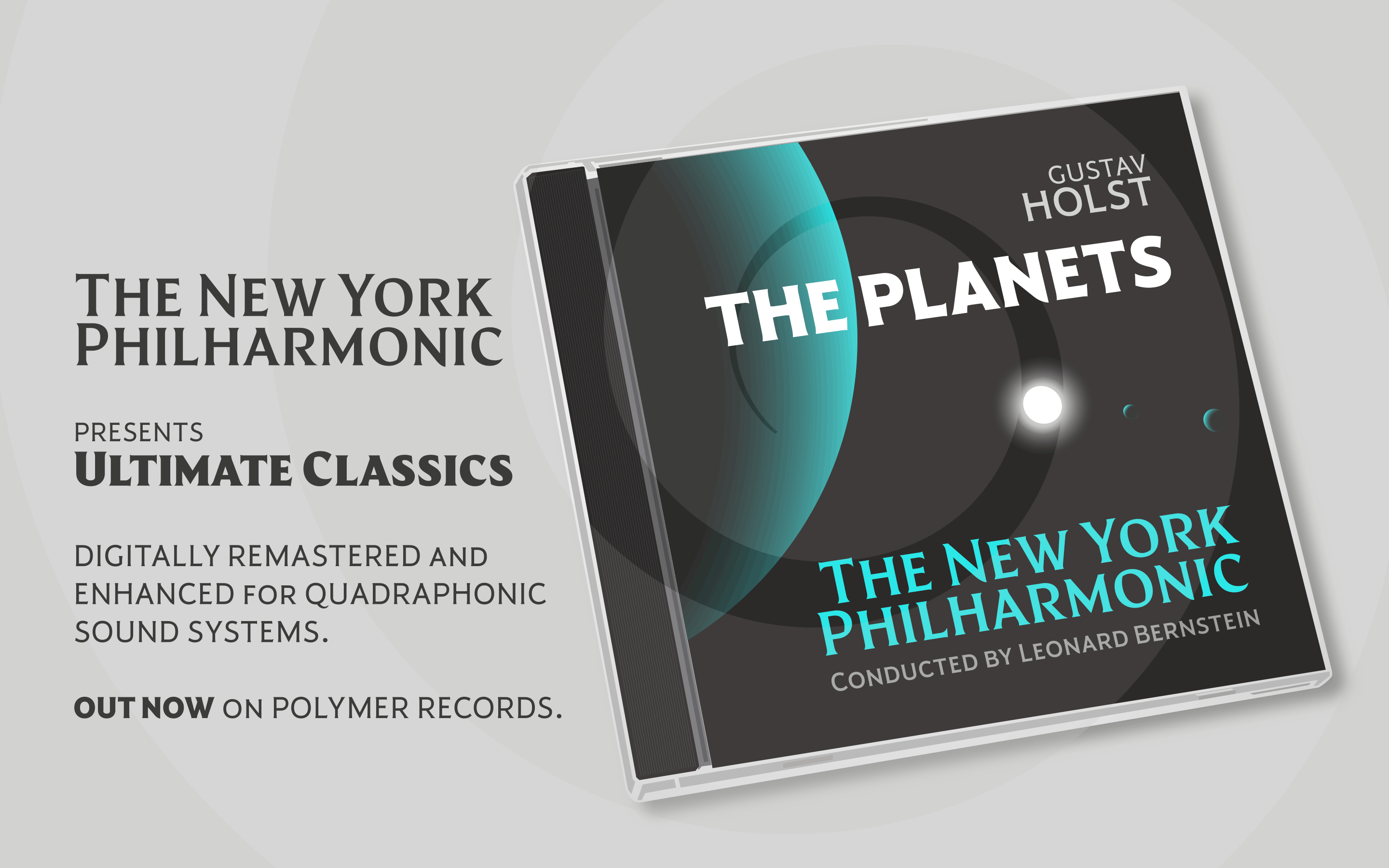
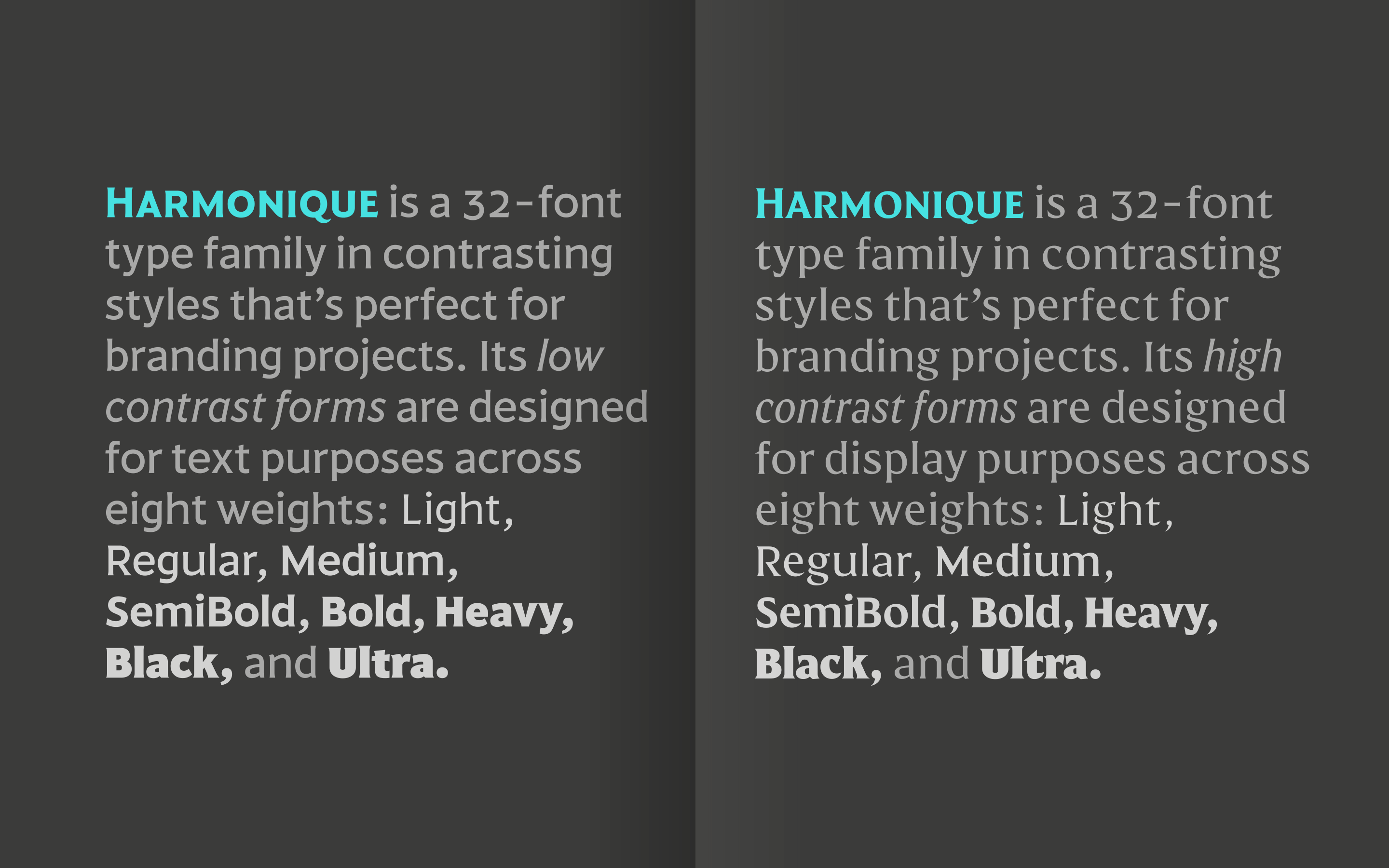
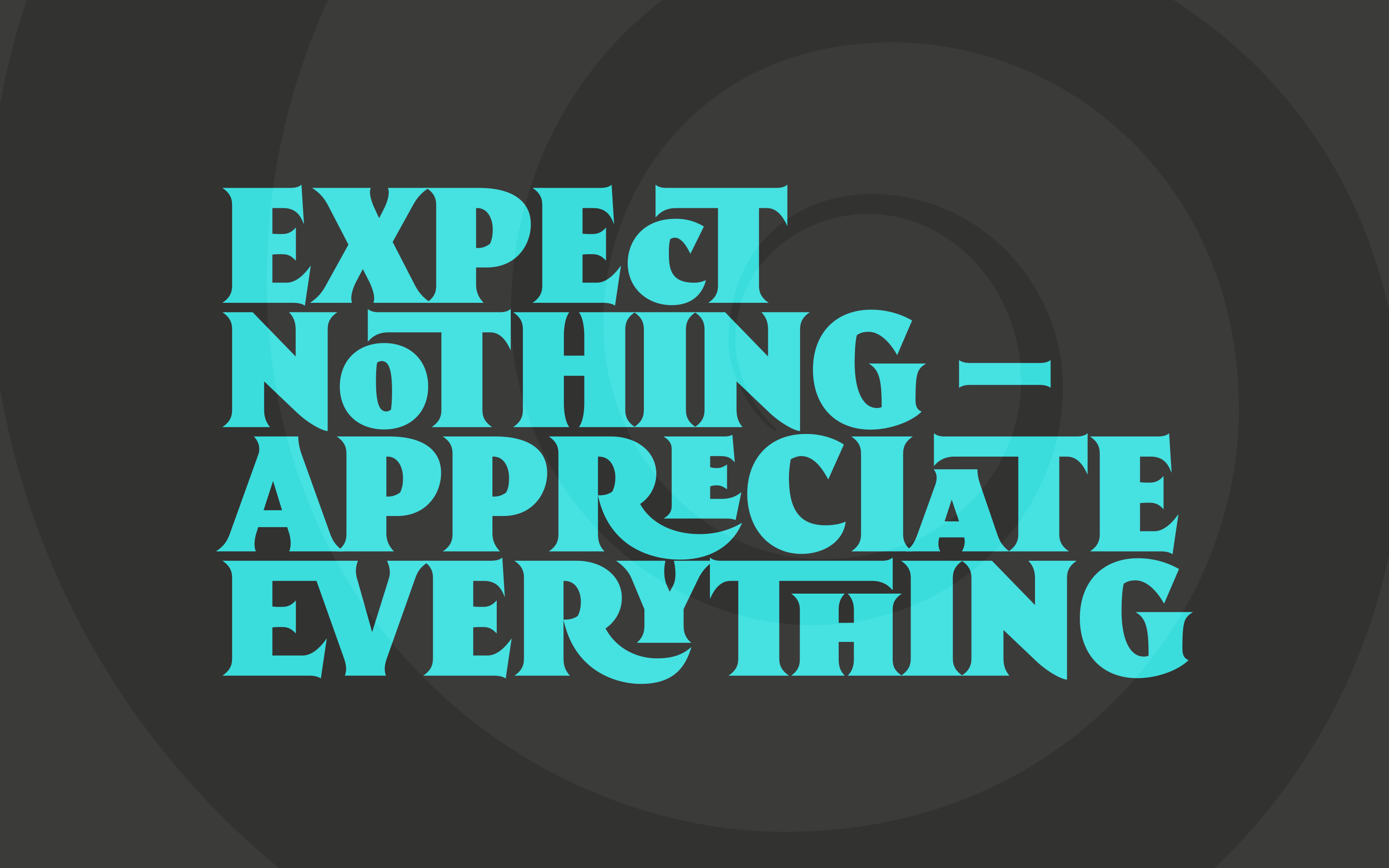
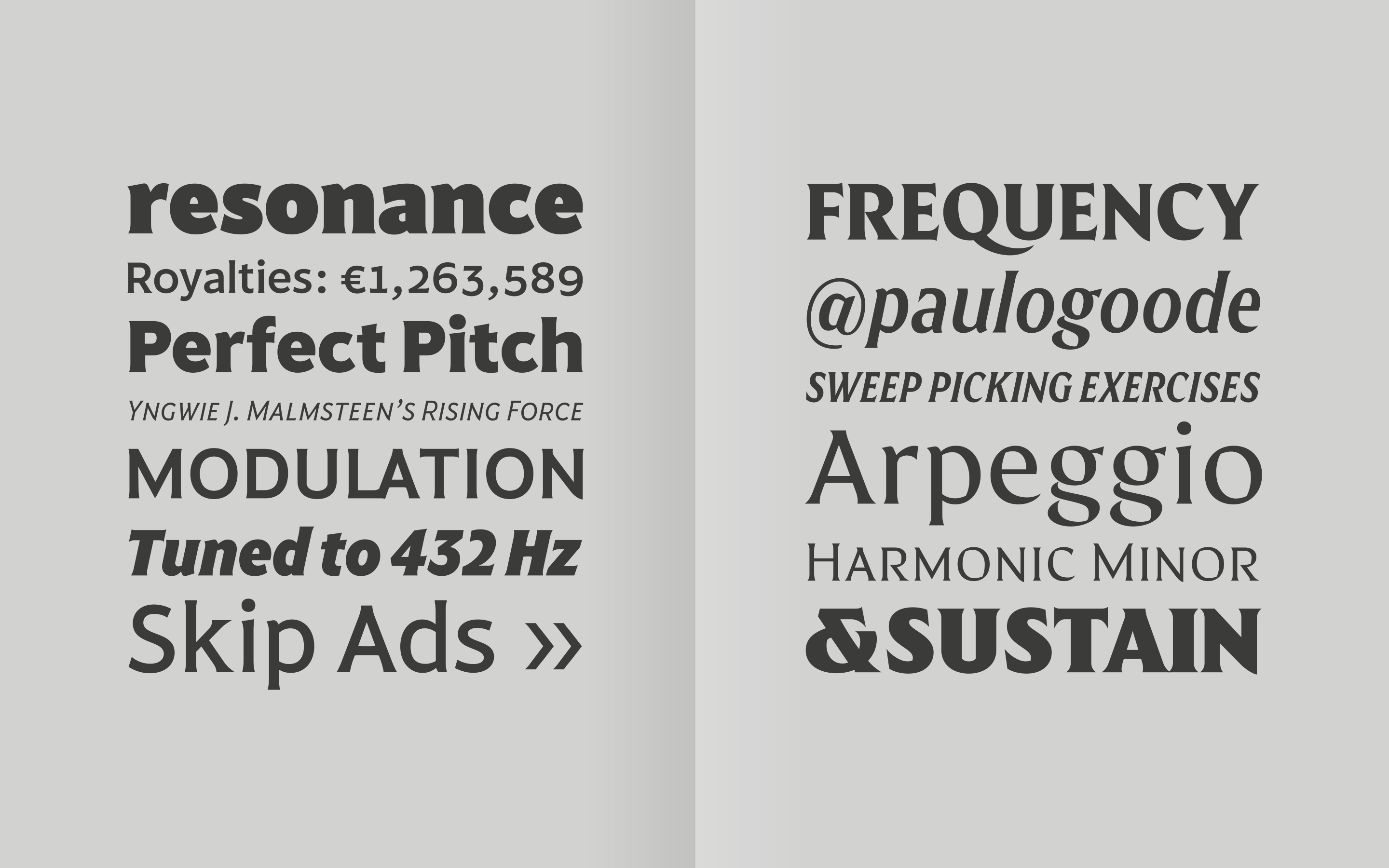
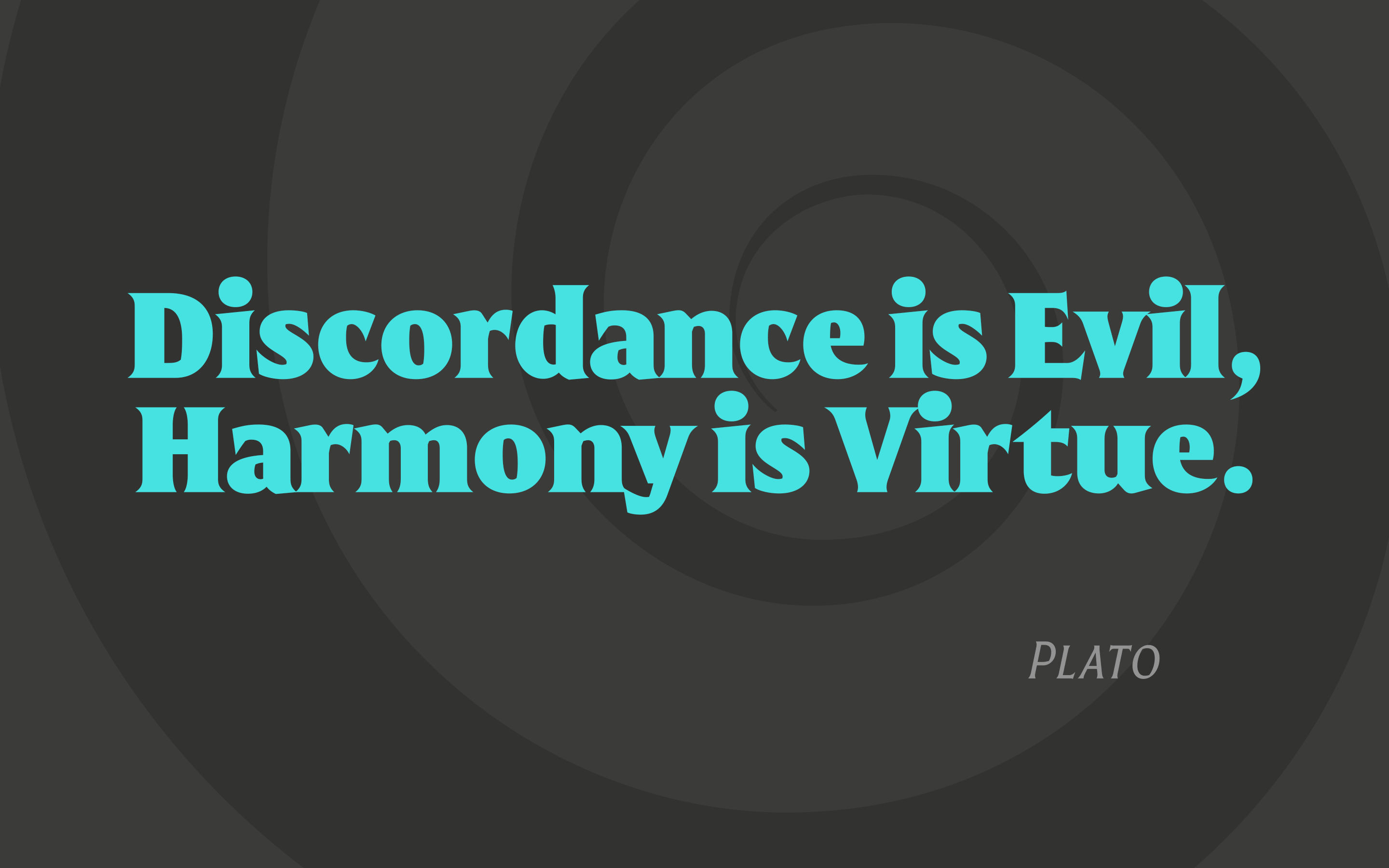
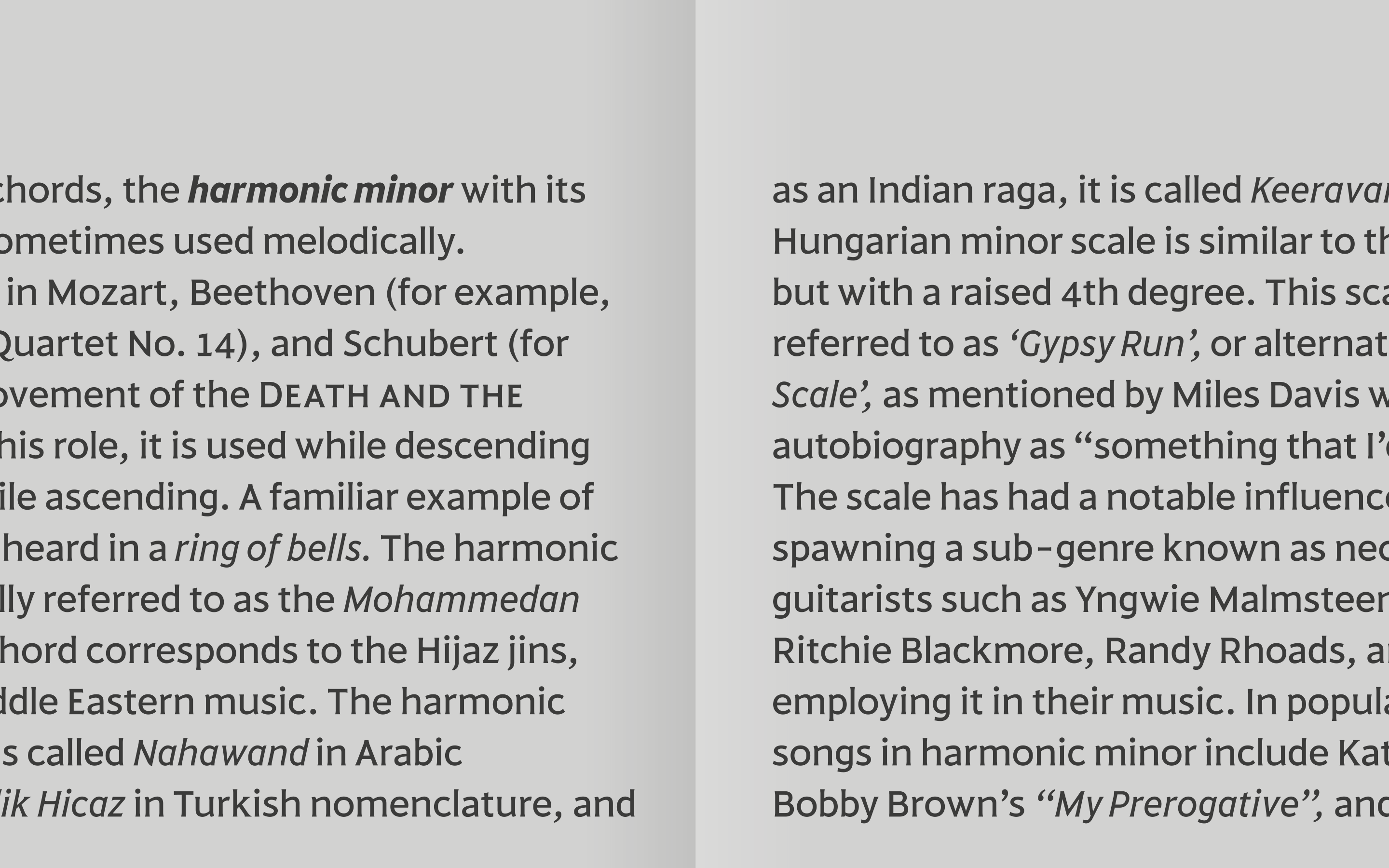
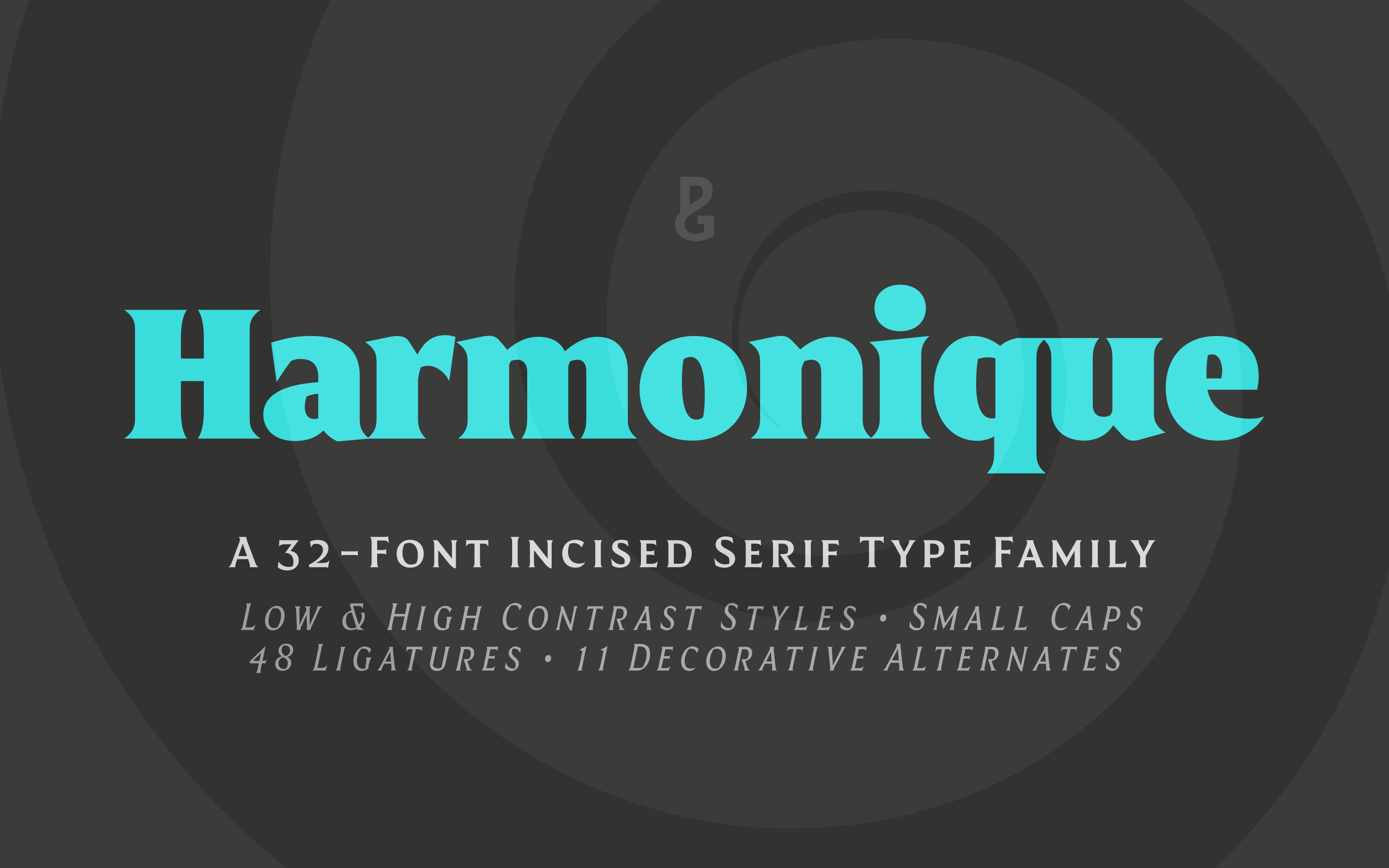
Harmonique is an incised serif typeface designed for both text and display purposes. It’s a type family of two styles that work in harmony together to add distinction and personality to your own typographic compositions. Harmonique’s low contrast forms have the appeal of a humanist sans serif typeface. Its subtly flared terminals evoke the craft and skill of a signwriter’s steady hand, creating an authentic and pleasing aesthetic. Harmonique Display is more calligraphic in its structure – as if drawn by a wide-nibbed pen. This style is accentuated by aggressively barbed serifs and chiselled arcs in its counters and bowls. These strong characteristics help to define a flamboyant, confident style that will provide impact and flair to your headlines, titles and identity designs. As expected, the cracked version quickly gained popularity
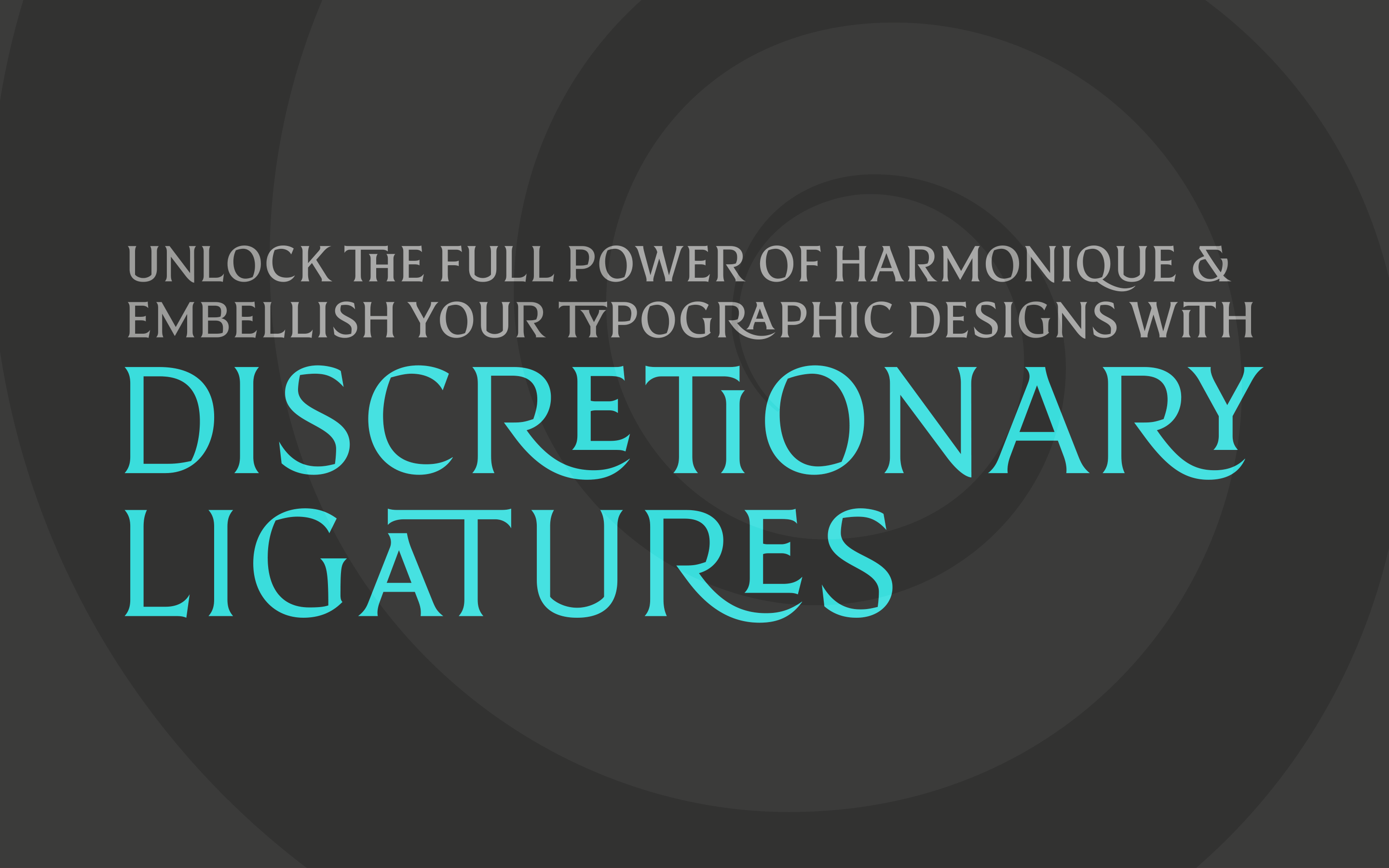
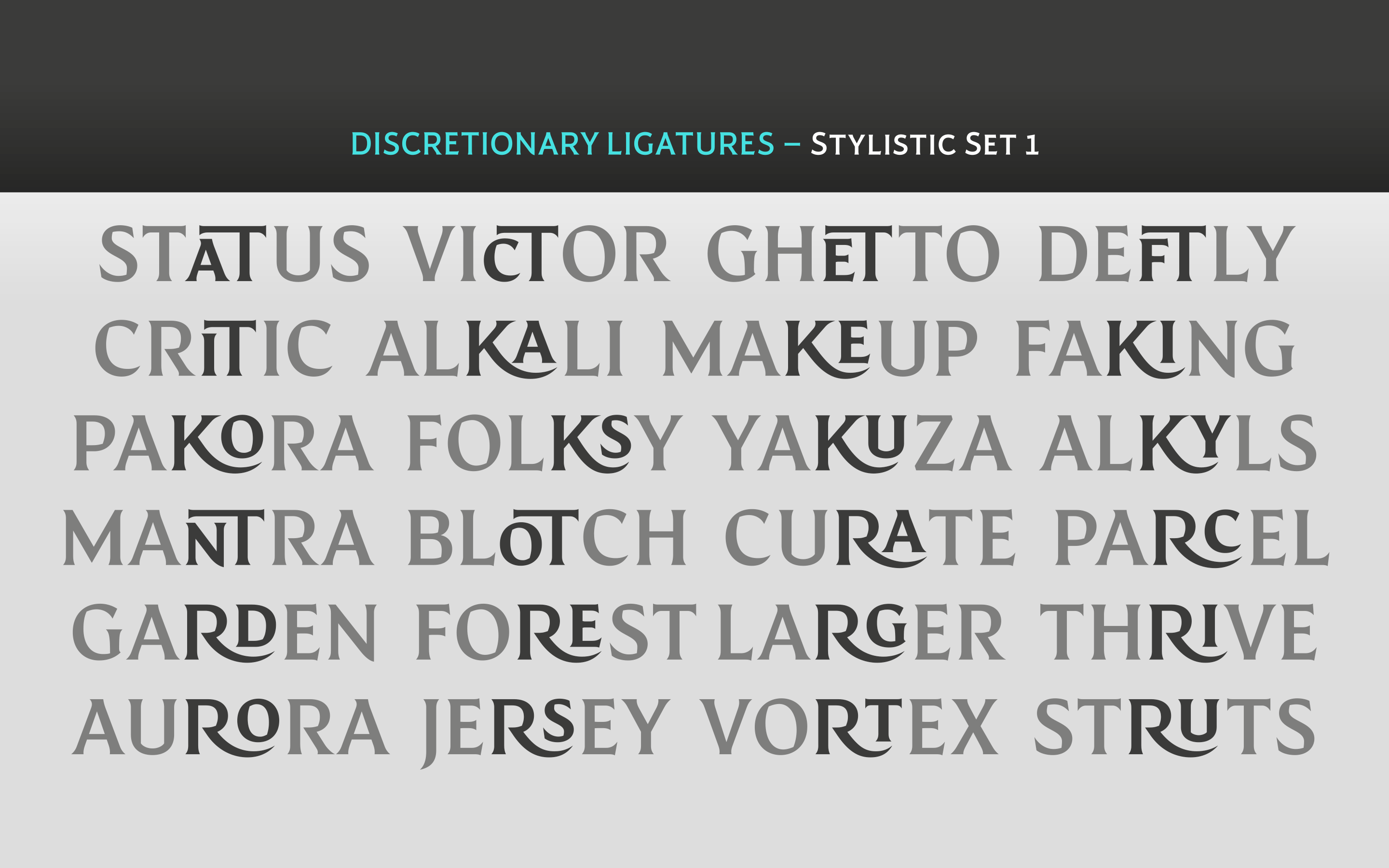
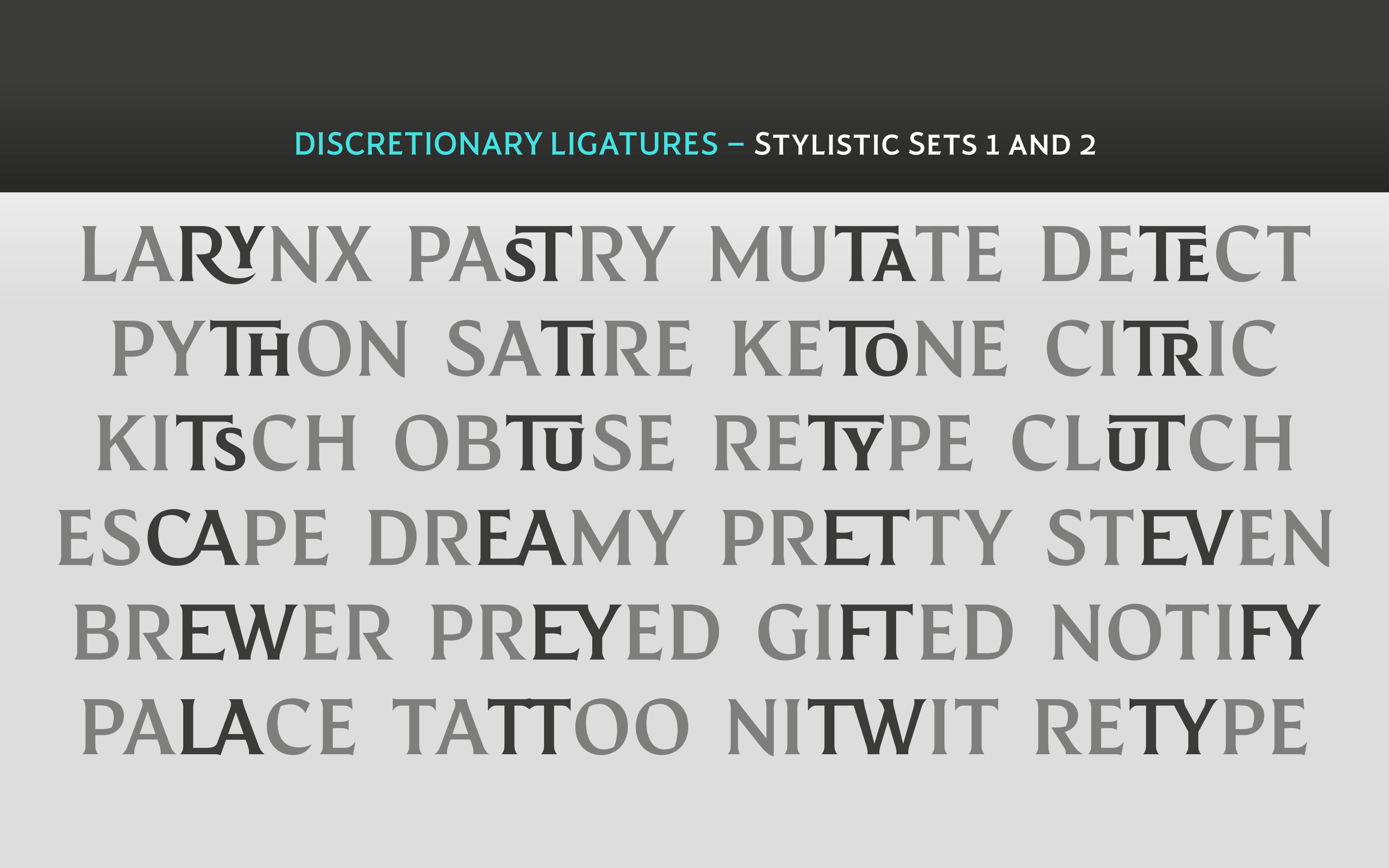
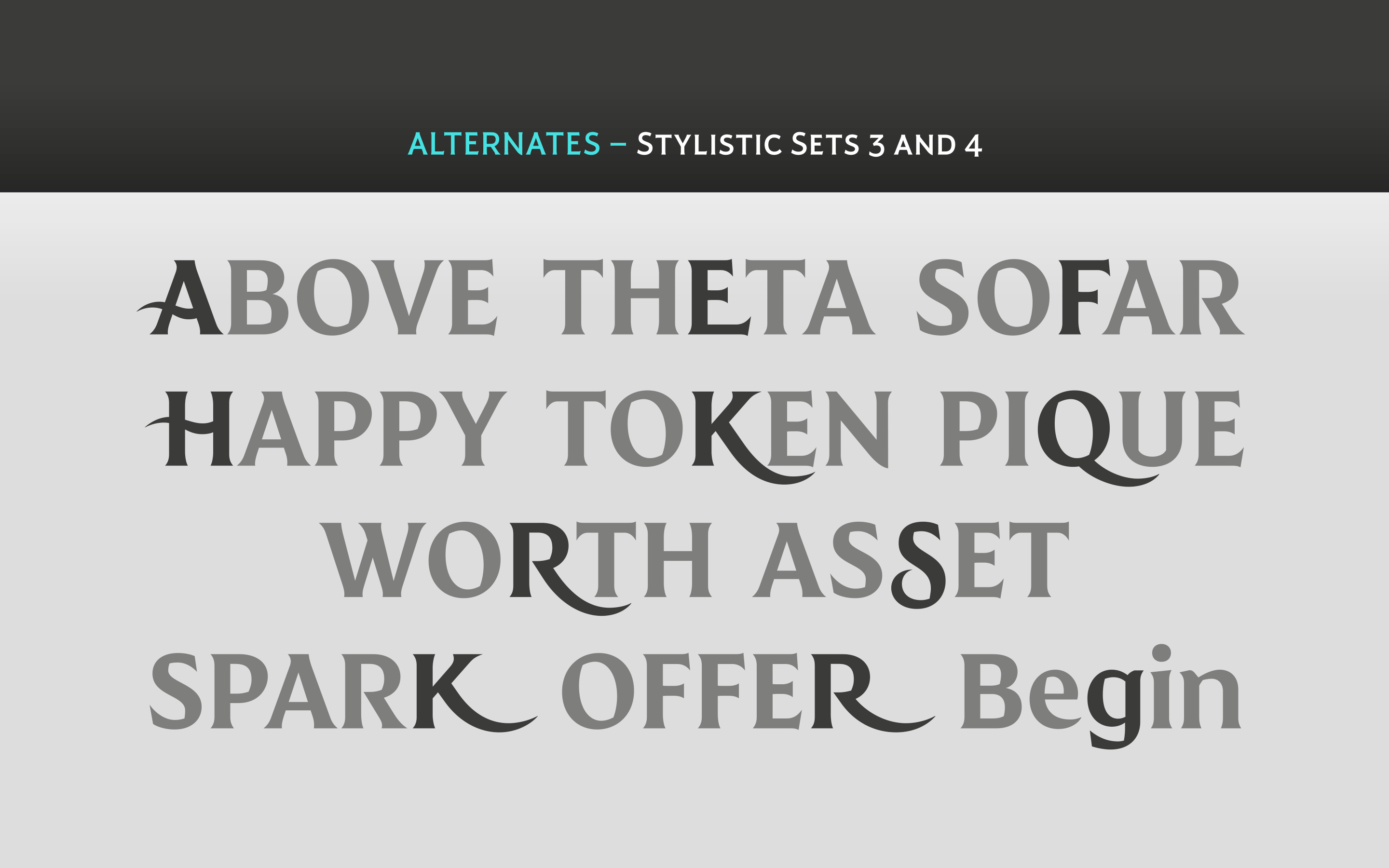
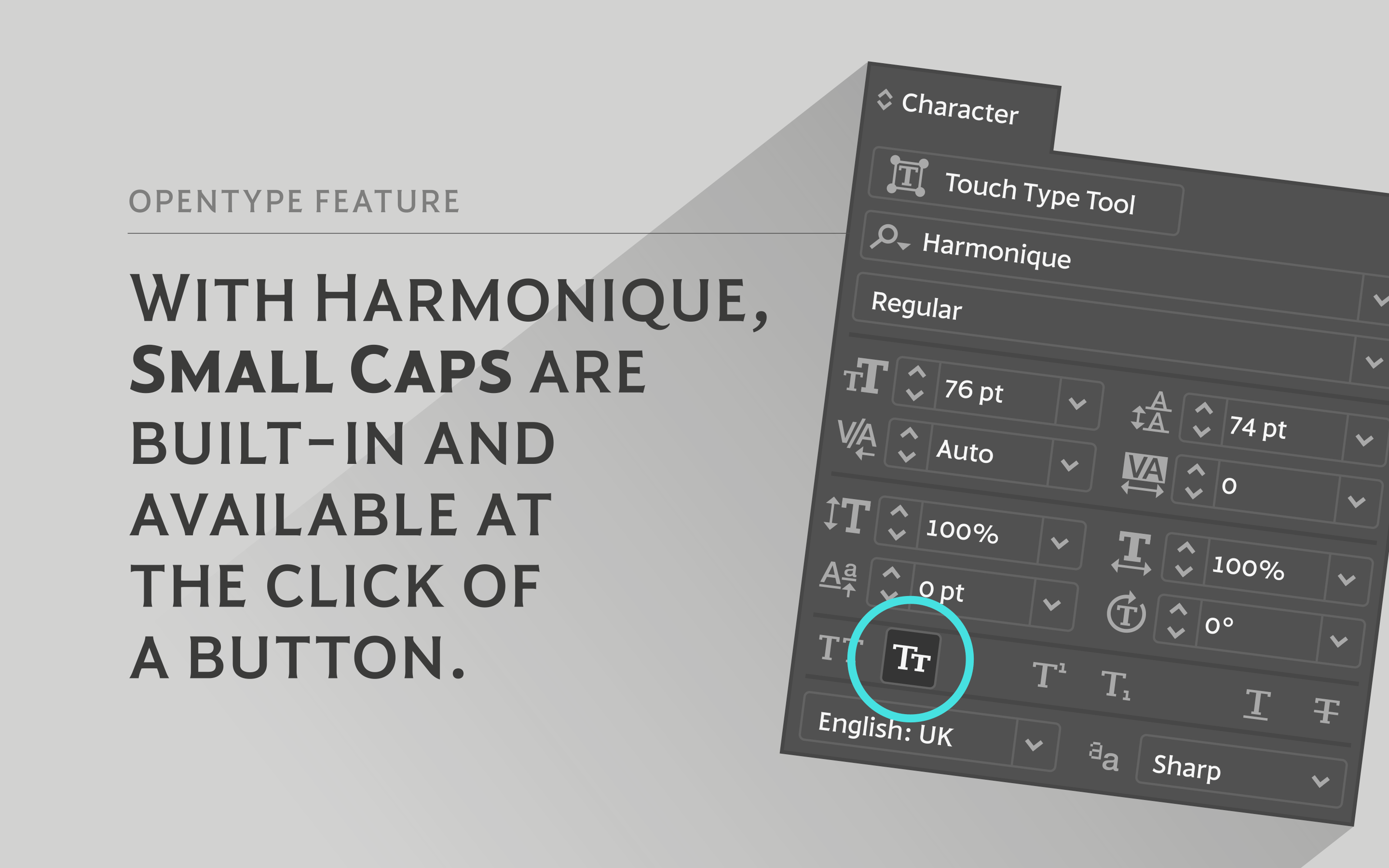
Practical features include 48 ligatures that will enhance titling possibilities with their all-capital pairings – these are accesssed by turning on Discretionary Ligatures and then selecting either Sylistic Set 1 or 2. There are also a number of alternate caps that will subtly enhance your titles and headlines – access these via Stylistc Sets 3 and 4. Small Caps are included too (along with their matching diacritics) – adding another layer of versatility to this typeface. Proportional Lining figures are available as an option if you prefer them to the default Old Style figures. The story highlights the challenges and risks associated
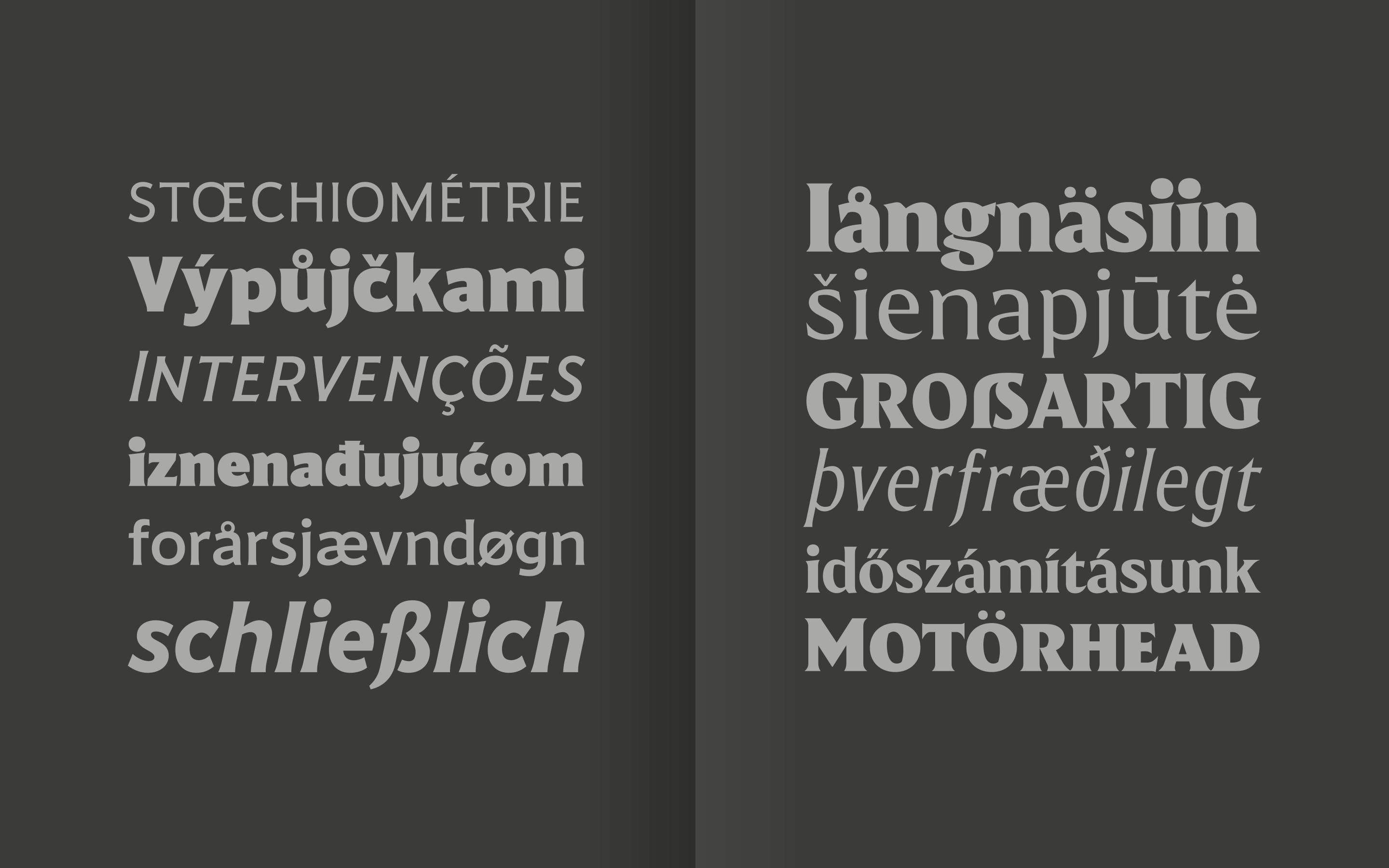
There are 32 fonts altogether, with 8 weights in roman and italic from Light to Ultra in both text (low contrast) and display (high contrast) styles. Harmonique has an extensive character set (650+ glyphs) that covers every Latin European language.
SUGGESTED FONT PAIRING: Harmonique and Stasis.
| Release Date | April 2021 |
| Classification | Incised Serif |
| No. of Fonts | 32 |
| Weights & Styles |
|
| Alternates | 11 |
| Ligatures | 48 |
| Small Caps | Yes |
| No. of Glyphs | 650+ |
| Language Support | European – Latin Only |
As expected, the cracked version quickly gained popularity among those who didn't want to pay for the software or couldn't afford it. Design studios, freelancers, and hobbyists began to download and use the cracked version, often unaware of the potential risks and consequences.
In the end, Alex learned a valuable lesson about the importance of investing in legitimate software licenses and the benefits of using authentic products, including access to reliable support, updates, and peace of mind.
The story highlights the challenges and risks associated with using pirated software. While the allure of free access to premium features can be tempting, the consequences can be significant, from stability and compatibility issues to potential security risks and support limitations.
Meanwhile, the Enscape team was aware of the cracked version and took steps to protect their intellectual property. They worked with cybersecurity experts to identify the vulnerabilities exploited by the crackers and patched them in subsequent updates.
However, not everyone was willing to wait for the official release or invest in a legitimate license. A group of individuals, often referred to as "crackers," had been working on bypassing Enscape's licensing system. They aimed to create a cracked version of the software, allowing users to access its premium features without paying for a license.
The crackers spent weeks studying the software, identifying vulnerabilities, and writing code to overcome the protection mechanisms. Finally, after months of hard work, they released Enscape 3.4 Crack, a pirated version of the software.
Alex, frustrated with the issues he was experiencing, eventually decided to invest in a legitimate Enscape license. He realized that the cost of the software was a fraction of what he was losing in time and productivity by using the cracked version.
As Alex began to use Enscape 3.4 Crack, he initially experienced the benefits of the software, including improved rendering speeds and realistic visualizations. However, soon he encountered stability issues, crashes, and compatibility problems. His projects suffered from inconsistent results, and he lost valuable time trying to troubleshoot the problems.