((hot)) Free: Hello Neighbor

Beyond ethics lies a pragmatic warning. The phrase "Hello Neighbor free" is a honeypot for malware. Because the game is popular and its DRM (digital rights management) is moderately robust, crack sites are often laden with adware, spyware, and ransomware disguised as a "setup.exe" file. The seeker of free content often becomes the victim. The game’s antagonist, the Neighbor, captures the player in a bear trap or a cage; the digital equivalent is the user’s computer being captured by a virus. The search for a free pass to the neighbor’s basement frequently results in the searcher losing control of their own digital home—a poetic and punishing form of meta-commentary.

The search query "Hello Neighbor free" is deceptively simple. On its surface, it appears to be the request of a budget-conscious gamer seeking a no-cost copy of a popular stealth horror title. However, this phrase represents a complex intersection of modern gaming culture, the psychological allure of "forbidden" content, and a fundamental debate over the value of digital property. By examining why players seek a free version of Hello Neighbor —a game built on the premise of trespassing—we uncover a fascinating irony: the act of pirating or seeking an unlocked copy mirrors the transgressive core gameplay of the title itself. hello neighbor free

However, this argument ignores the economic reality of game development. Hello Neighbor was not a triple-A blockbuster with a massive marketing budget; it was an indie title that gained popularity through YouTube let's plays and streaming culture. The game’s distinctive art style and adaptive AI were the products of a small team’s labor. When a user opts for a "free" cracked version, they are severing the transaction that funds future updates, sequels (such as Hello Neighbor 2 ), and other creative projects. The irony is stark: players want the neighbor’s secrets, but they do not want to pay the neighbor for his construction materials. Beyond ethics lies a pragmatic warning

First, it is essential to understand Hello Neighbor . Developed by Dynamic Pixels and published by tinyBuild, the game casts the player as a curious young child attempting to break into a neighbor’s basement. The titular Neighbor is an adaptive AI who learns from the player’s patterns, setting traps and barricading entry points. The core loop is built on trial, error, and the thrill of violating a clear boundary. The game asks: What are you willing to risk to see what is hidden? The seeker of free content often becomes the victim

Ultimately, "Hello Neighbor free" is more than a search for a bargain. It is a cultural footprint of a generation that struggles to reconcile the abundance of digital goods with their tangible cost. The query reveals a player who wants to experience the anxiety of breaking into a house while refusing to feel the anxiety of spending money. But the game’s ultimate lesson is that breaking in without permission has consequences. For the player who ignores the paywall, the consequence is not a digital bear trap, but a corrupted hard drive, a cease-and-desist letter from an ISP, or simply the quiet knowledge that they have locked the developer out of their own livelihood. The scariest thing in Hello Neighbor was never the giant, shovel-wielding man next door. It is the realization that in seeking to rob him, you have become him.

When a player searches for "Hello Neighbor free," they are not merely looking for a demo or a legitimate giveaway. Typically, this query leads to cracked executables, torrent sites, or YouTube videos promising "free full game no survey." This search is a direct parallel to the game’s narrative. Just as the protagonist ignores the "No Trespassing" signs on the neighbor’s lawn, the player ignores the "Pay $29.99" sign on the digital storefront. Both actions are driven by the same human impulse: the desire to obtain forbidden access—one to a virtual basement, the other to a paywalled experience.

Beyond ethics lies a pragmatic warning. The phrase "Hello Neighbor free" is a honeypot for malware. Because the game is popular and its DRM (digital rights management) is moderately robust, crack sites are often laden with adware, spyware, and ransomware disguised as a "setup.exe" file. The seeker of free content often becomes the victim. The game’s antagonist, the Neighbor, captures the player in a bear trap or a cage; the digital equivalent is the user’s computer being captured by a virus. The search for a free pass to the neighbor’s basement frequently results in the searcher losing control of their own digital home—a poetic and punishing form of meta-commentary.

The search query "Hello Neighbor free" is deceptively simple. On its surface, it appears to be the request of a budget-conscious gamer seeking a no-cost copy of a popular stealth horror title. However, this phrase represents a complex intersection of modern gaming culture, the psychological allure of "forbidden" content, and a fundamental debate over the value of digital property. By examining why players seek a free version of Hello Neighbor —a game built on the premise of trespassing—we uncover a fascinating irony: the act of pirating or seeking an unlocked copy mirrors the transgressive core gameplay of the title itself.

However, this argument ignores the economic reality of game development. Hello Neighbor was not a triple-A blockbuster with a massive marketing budget; it was an indie title that gained popularity through YouTube let's plays and streaming culture. The game’s distinctive art style and adaptive AI were the products of a small team’s labor. When a user opts for a "free" cracked version, they are severing the transaction that funds future updates, sequels (such as Hello Neighbor 2 ), and other creative projects. The irony is stark: players want the neighbor’s secrets, but they do not want to pay the neighbor for his construction materials.

First, it is essential to understand Hello Neighbor . Developed by Dynamic Pixels and published by tinyBuild, the game casts the player as a curious young child attempting to break into a neighbor’s basement. The titular Neighbor is an adaptive AI who learns from the player’s patterns, setting traps and barricading entry points. The core loop is built on trial, error, and the thrill of violating a clear boundary. The game asks: What are you willing to risk to see what is hidden?

Ultimately, "Hello Neighbor free" is more than a search for a bargain. It is a cultural footprint of a generation that struggles to reconcile the abundance of digital goods with their tangible cost. The query reveals a player who wants to experience the anxiety of breaking into a house while refusing to feel the anxiety of spending money. But the game’s ultimate lesson is that breaking in without permission has consequences. For the player who ignores the paywall, the consequence is not a digital bear trap, but a corrupted hard drive, a cease-and-desist letter from an ISP, or simply the quiet knowledge that they have locked the developer out of their own livelihood. The scariest thing in Hello Neighbor was never the giant, shovel-wielding man next door. It is the realization that in seeking to rob him, you have become him.

When a player searches for "Hello Neighbor free," they are not merely looking for a demo or a legitimate giveaway. Typically, this query leads to cracked executables, torrent sites, or YouTube videos promising "free full game no survey." This search is a direct parallel to the game’s narrative. Just as the protagonist ignores the "No Trespassing" signs on the neighbor’s lawn, the player ignores the "Pay $29.99" sign on the digital storefront. Both actions are driven by the same human impulse: the desire to obtain forbidden access—one to a virtual basement, the other to a paywalled experience.

CADe SIMU software elétrotécnico

Por que baixar o CADe SIMU?

Não é necessário nenhum tipo de instalação, você apenas inicia com o arquivo executável, permitindo realizar a inserção de símbolos encontrados em bibliotecas, desenhar um diagrama e posteriormente realizar a simulação deste projeto. Com uma proposta excelente, o CADe SIMU oferece recursos bastante úteis através de uma interface simples e intuitiva e o melhor: sem custos, um software muito leve (algo em torno de 5Mb) capaz de realizar simulação de circuitos de comandos elétricos.

  • Elabore diagramas de comandos elétricos do zero;
  • Realize as simulações e compreenda o funcionamento;
  • Salve, imprima e colecione diversos diagramas elétricos;

O que você esta esperando? Baixe já o CADe SIMU 4.0 em português

Artigos do Blog Ensinando Elétrica

Ensinando Elétrica trata-se de um blog livre, onde trazemos ensinamentos sobre o CADe SIMU e diversos assuntos relacionado a eletricidade, venha conhecer e seja um seguidor para receber conteúdos de elétrica em seu e-mail.

hello neighbor free

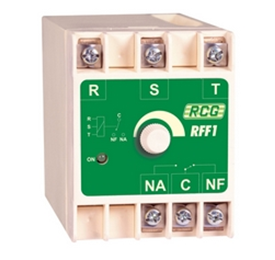
Instalar Relé Falta de Fase

A instalação dos relés falta de fase é muito importânte para a proteção do seu motor elétrico e todo o sistema, confira o artigo.