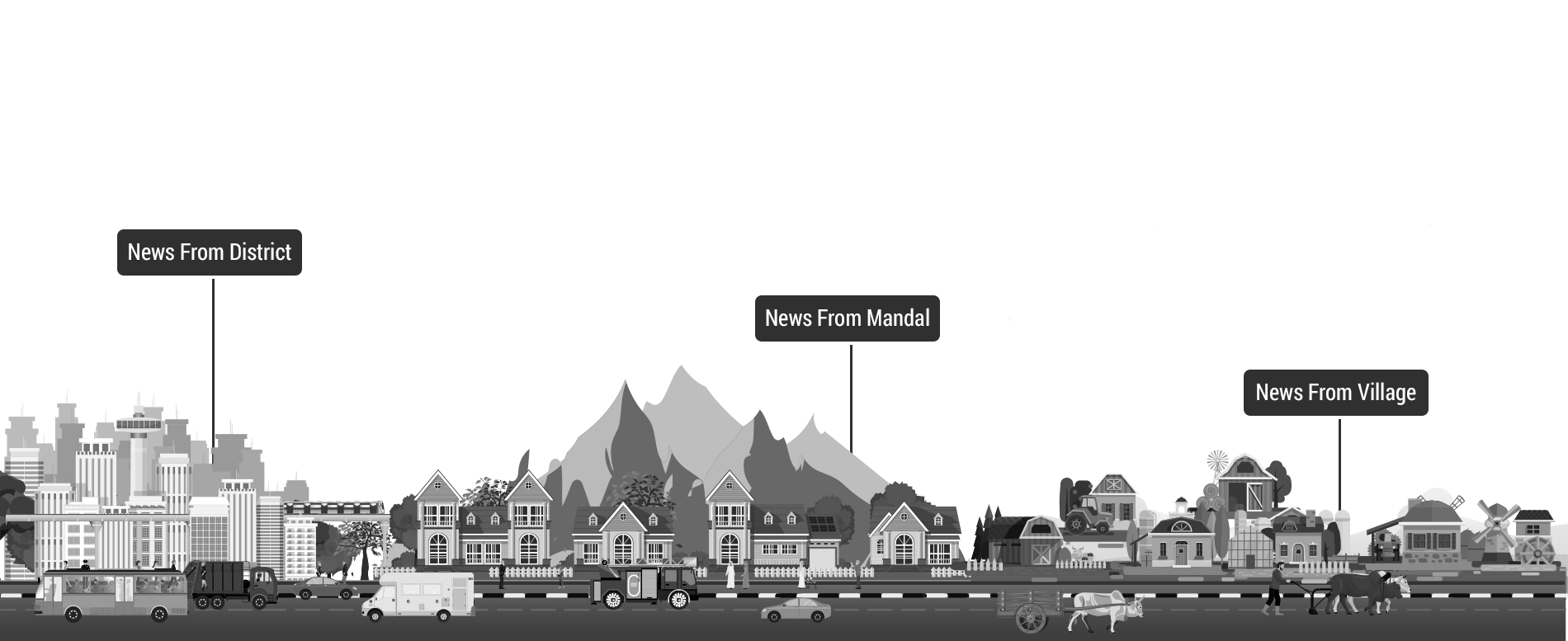
Way2News, India's largest hyperlocal news app covers news from 400 districts and generating more than 4 billion screen views every month - that's 3 times the entire Indian population. So, how do you unblock somebody
Let your friends read the news you intend to share with them.
Travel, Health, Finance & many more- Pick Magazines of your favourite topic and lay back to read.
Cinema, Business or sports, read the News from the category of your preference.
Reading in dark? Then make it better for your eyes with 'Night Mode'
Read the News articles at ease by just flipping them up and down.
Participate in Polls on different issues and contribute your opinion to country wide taken stats.
Read the most trendy and widely shared flips from 'Top Buzz'.
Save the articles you want to revisit by adding them to 'My bookmarks'.
Way2News brings real time news. We understand your reading preference and promise to deliver personalized news flips.

So, how do you unblock somebody? You go to your settings. You find their name. You press a button. But before you do, you sit in the quiet of your own mind. You forgive, or at least you decide to stop punishing. You accept the risk of being seen. And then, with a breath that is equal parts fear and freedom, you tap "Confirm." The lock clicks open. The real world, messy and complicated, rushes back in. And you remember that the most important unblocking is not of the other person, but of yourself from the prison of your own resentment.
In the architecture of our digital lives, the "block" button is a formidable door. It is a solid wall of protection, a final line drawn in the sand of a relationship gone sour. We learn to block with ease—a swipe, a tap, a confirmation. It is an act of subtraction, a digital amputation of a person from our reality. But what about the reverse? How do we unblock somebody? The answer, I have learned, is far less about the mechanics of the interface and far more about the geography of the human heart.
On a purely technical level, unblocking someone is trivial. On most platforms—be it a phone’s contact list, a social media app like Instagram or Twitter, or a messaging service like WhatsApp—the process is the inverse of the block. You navigate to your settings, find the section labeled "Blocked Accounts" or "Privacy," and locate the name buried in that list of digital exiles. Next to it, a button: "Unblock" or "Remove." A single tap. The digital wall dissolves. Their profile picture reappears; their messages, once silenced, are now free to travel through the fiber-optic cables to your device. Technically, you are done.
The second step is accepting the asymmetry of time. When you block someone, you freeze them in a state of absence. While they are behind the wall, you cannot see their growth, their apologies, or their indifference. Conversely, they cannot see yours. To unblock is to accept that the person who emerges on the other side of that digital door may be completely different from the one you locked away. They might have moved on. Worse, they might not even notice you have returned. The real skill in unblocking is not the tap of a finger; it is the deep inhalation of acceptance that you are now visible to someone who once had the power to hurt you.
The first step to unblocking someone is asking why . Why did you build the wall in the first place? Was it a painful breakup, a friendship that turned toxic, or simply the need for silence after a heated argument? The block was a bandage over a wound. To unblock is to consider removing that bandage. You must ask yourself: Has the bleeding stopped? Has time done its work? Or are you simply reopening a scar because of loneliness or nostalgia?
But to stop there would be to miss the point entirely. The real essay on "how to unblock somebody" is not a user manual; it is a story of emotional courage.

So, how do you unblock somebody? You go to your settings. You find their name. You press a button. But before you do, you sit in the quiet of your own mind. You forgive, or at least you decide to stop punishing. You accept the risk of being seen. And then, with a breath that is equal parts fear and freedom, you tap "Confirm." The lock clicks open. The real world, messy and complicated, rushes back in. And you remember that the most important unblocking is not of the other person, but of yourself from the prison of your own resentment.
In the architecture of our digital lives, the "block" button is a formidable door. It is a solid wall of protection, a final line drawn in the sand of a relationship gone sour. We learn to block with ease—a swipe, a tap, a confirmation. It is an act of subtraction, a digital amputation of a person from our reality. But what about the reverse? How do we unblock somebody? The answer, I have learned, is far less about the mechanics of the interface and far more about the geography of the human heart.
On a purely technical level, unblocking someone is trivial. On most platforms—be it a phone’s contact list, a social media app like Instagram or Twitter, or a messaging service like WhatsApp—the process is the inverse of the block. You navigate to your settings, find the section labeled "Blocked Accounts" or "Privacy," and locate the name buried in that list of digital exiles. Next to it, a button: "Unblock" or "Remove." A single tap. The digital wall dissolves. Their profile picture reappears; their messages, once silenced, are now free to travel through the fiber-optic cables to your device. Technically, you are done.
The second step is accepting the asymmetry of time. When you block someone, you freeze them in a state of absence. While they are behind the wall, you cannot see their growth, their apologies, or their indifference. Conversely, they cannot see yours. To unblock is to accept that the person who emerges on the other side of that digital door may be completely different from the one you locked away. They might have moved on. Worse, they might not even notice you have returned. The real skill in unblocking is not the tap of a finger; it is the deep inhalation of acceptance that you are now visible to someone who once had the power to hurt you.
The first step to unblocking someone is asking why . Why did you build the wall in the first place? Was it a painful breakup, a friendship that turned toxic, or simply the need for silence after a heated argument? The block was a bandage over a wound. To unblock is to consider removing that bandage. You must ask yourself: Has the bleeding stopped? Has time done its work? Or are you simply reopening a scar because of loneliness or nostalgia?
But to stop there would be to miss the point entirely. The real essay on "how to unblock somebody" is not a user manual; it is a story of emotional courage.