 Official supplier NATO CAGE CODE: AR679
Official supplier NATO CAGE CODE: AR679
Official supplier NATO CAGE CODE: AR679
Official supplier NATO CAGE CODE: AR679
Official supplier NATO CAGE CODE: AR679
And in Mr. Hendricks’ study hall, on a quiet Thursday, Leo pressed the up arrow. The pixel road scrolled forward. No firewall in the world could stop that.
Over the next month, Leo built his own car game. He called it Detour . It was rough: the collision detection was glitchy, and the fuel meter ran out too fast. But when he shared it with Maya, she smiled. “It’s broken,” she said. “But it’s ours.” unblocked car game
That cleverness is what defines the true story of unblocked car games. They aren’t accidents or security holes. They are small feats of engineering and defiance, created by developers who understand school networks. They use WebAssembly, local storage, and proxied content delivery. Some are hosted on GitHub Pages or CodePen. Others are tucked inside shared Google Drive folders disguised as PDFs. And in Mr
It happened during a dreary Tuesday afternoon in Mr. Hendricks’ study hall. Boredom had set in like a fog. Leo’s friend Maya nudged him and whispered, “Try this link. Don’t ask how.” She slid a crinkled sticky note across the table. On it was a URL that ended in “.io” and a single word: AsphaltRun. No firewall in the world could stop that
The page was minimalist: a dark gray background, a pixelated road, and a tiny sedan that responded to the arrow keys. No ads. No pop-ups. No “please log in.” Just a clean, unblocked car game. The objective was simple: drive as far as possible without crashing into orange cones or running out of fuel. Gas canisters appeared randomly. The scenery cycled from desert to snow to neon-lit tunnels.
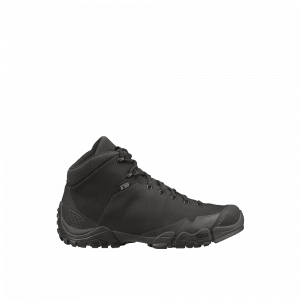
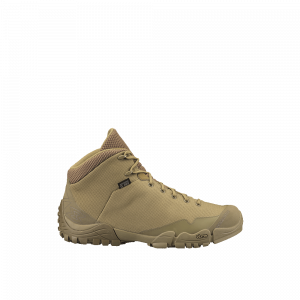
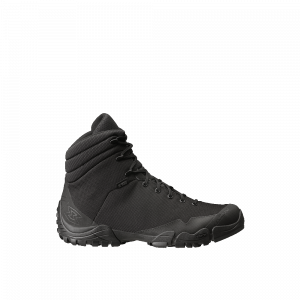
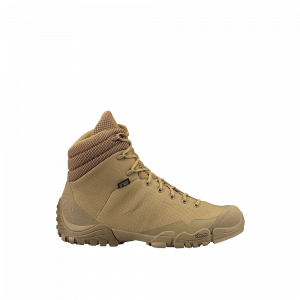
Because you added a pair of T8 boots to your cart, you are eligible to receive 35% off on a pair Nemesis 4 or 6 G-DRY in coyote or black! Don’t miss out on the savings!
Click below and choose the 4 or 6-inch height, select the color and size, and add the product to your cart